Knowledge Holders
Alexa René Rivera she/her
-
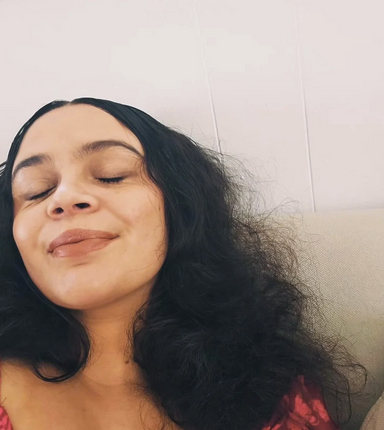
Alexa René Rivera is a weaver of Puerto Rican and anti-Zionist Jewish descent. From the Hudson Valley, and residing in Northern Vermont, Alexa is the owner/founder of WOVN.COUNTRY- a small business selling handmade baskets and teaching basketry workshops around the region for the past decade. She is also the Program and Studios Manager at the International artist and writer residency, Vermont Studio Center. Alexa is currently spending her time thinking about basketry as vessel, and being humbled at adult beginners ballet class.
-
In this hands-on workshop, everyone will make and leave with their own small basket, as well as the basic techniques to carry this skill forward. We will discuss basketry as ancestral craft, as a cultivation of presence, as a record keeper of people and plant, and as a meditation on the intersection of function and beauty. We will start the workshop with material introduction and cultural context, go into a demo and guided weaving time, and end with sharing and reflection. Basket weaving is a world of cross-cultural invention, of communing with land and hand, of patience and pride. I am so excited to sit with you in a circle and weave- as has been done by so many before us.
Antonia Estela Perez she/they
-
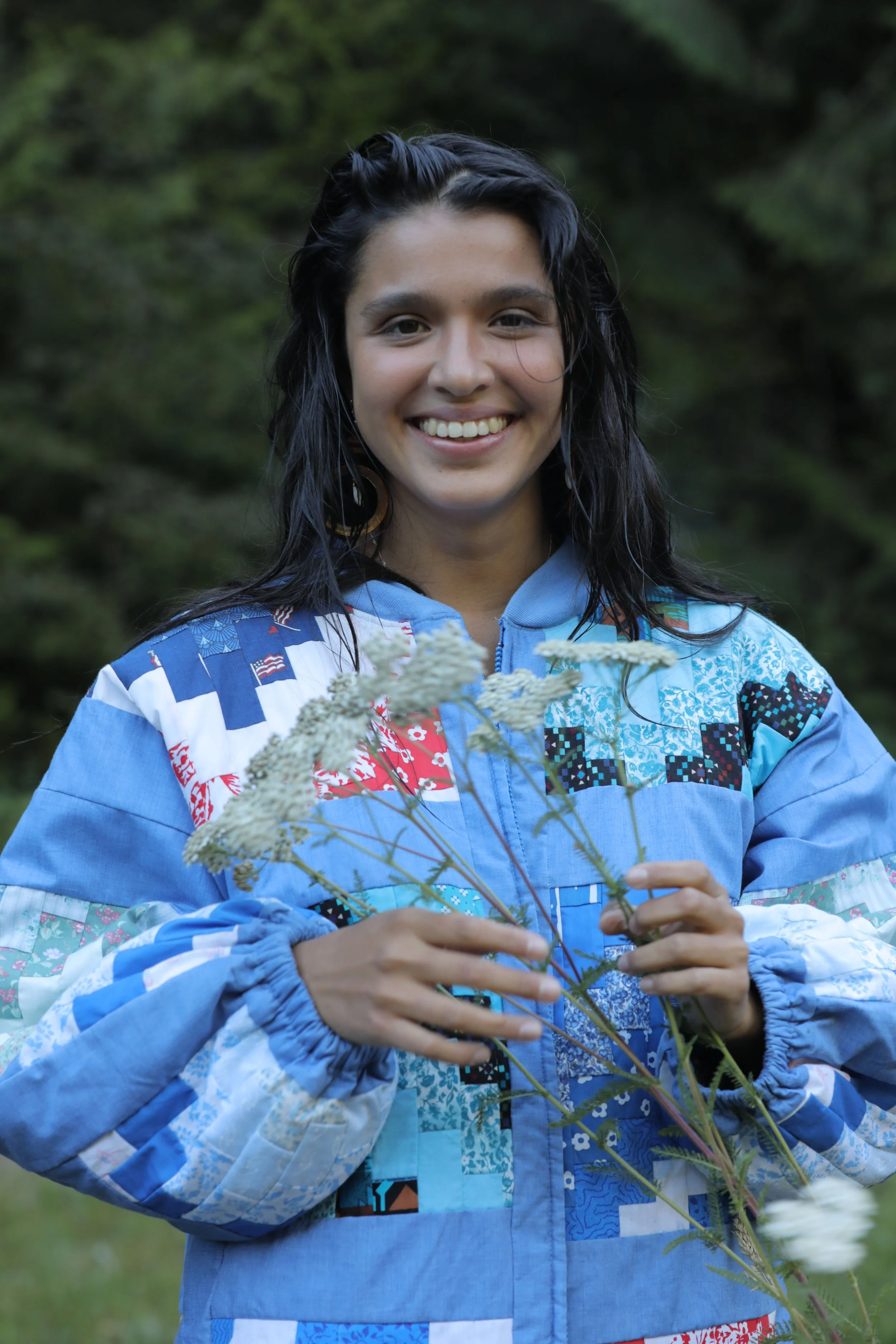
Antonia Estela Pérez is a Chilean-American herbalist, gardener, educator, community organizer, and artist from New York City. Growing up at the intersections of land stewardship, education, and social justice, they developed a passion for plants as a tool for restoring relationships to land and memory. As founder of Herban Cura, a healing justice herb and ecology school centering Indigenous, Black, Queer, and Trans voices, Pérez creates learning opportunities via knowledge shares, the Plants to the People mutual aid program, and an herbal CSA.
-
During this workshop, guided by herbalist, educator and founder of Herban Cura, Antonia Estela Pérez, participants will learn about several medicinal and food plants growing in the Northeast and how we can build mutually regenerative relationships. On our plant walk we will learn basic frameworks for how to begin building relationships with the plants, so that we can continue practicing once we are back home.
Brandon Ruiz he/him
-
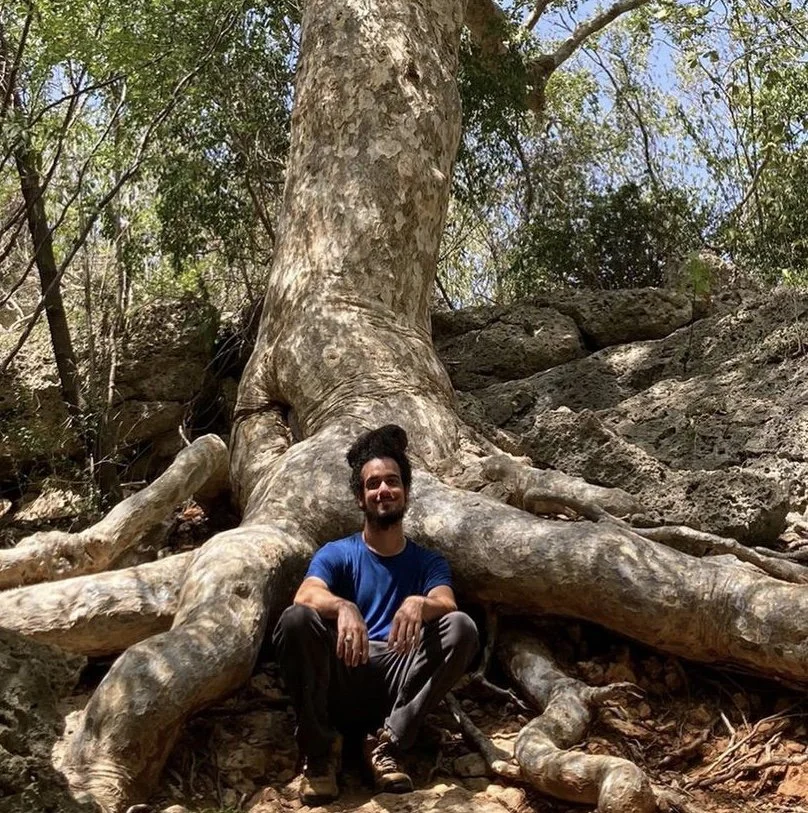
Brandon Ruiz (he/him) is a community herbalist, farmer and culture bearer for traditional Puerto Rican and Caribbean healing practices based on the East Coast of Turtle Island. He runs Yucayeke Farms, a digital and in-person educational platform focused on providing access to the Caribbean diaspora and those still in the region to traditional healing practices and culturally-relevant herbal information. He is an upcoming author, co-founder of the Puerto Rican Herbalism Gathering and has been learning from the plants and his elders for over a decade. His knowledge is rooted in his ancestral lands of Puerto Rico and the wider Caribbean.
-
During Traditional Caribbean Herbalism for Healing, Resistance, and Community, we will learn about the history of Caribbean herbal medicine, cultural influences, commonly used plants, and the stories surrounding them. Specifically we will be working with Berenjena Cimarrona / Wild Eggplant (Solanum torvum), Sarobey / Cotton (Gossypium barbadense) and Anamu / Guinea Hen Weed (Petiveria alliaceae). We will smell, taste, and touch these plants used in our traditions, while discussing ways to integrate them into our healing practices today to support us in all that we do for healing, justice and wellness.
The Caribbean is home to healing traditions rooted in African, Indigenous, and Indian practices that have been cultivated to resist colonialism and oppression for hundreds of years. Over generations, Indigenous Caribbean, Maroon and colonially subjected peoples have turned to and preserved their traditional herbal practices in the face of oppression. We continue to honour those practices today to heal, nourish, and comfort the bodies and spirits of our ancestors' descendants.
Cris Bouza they/them
-
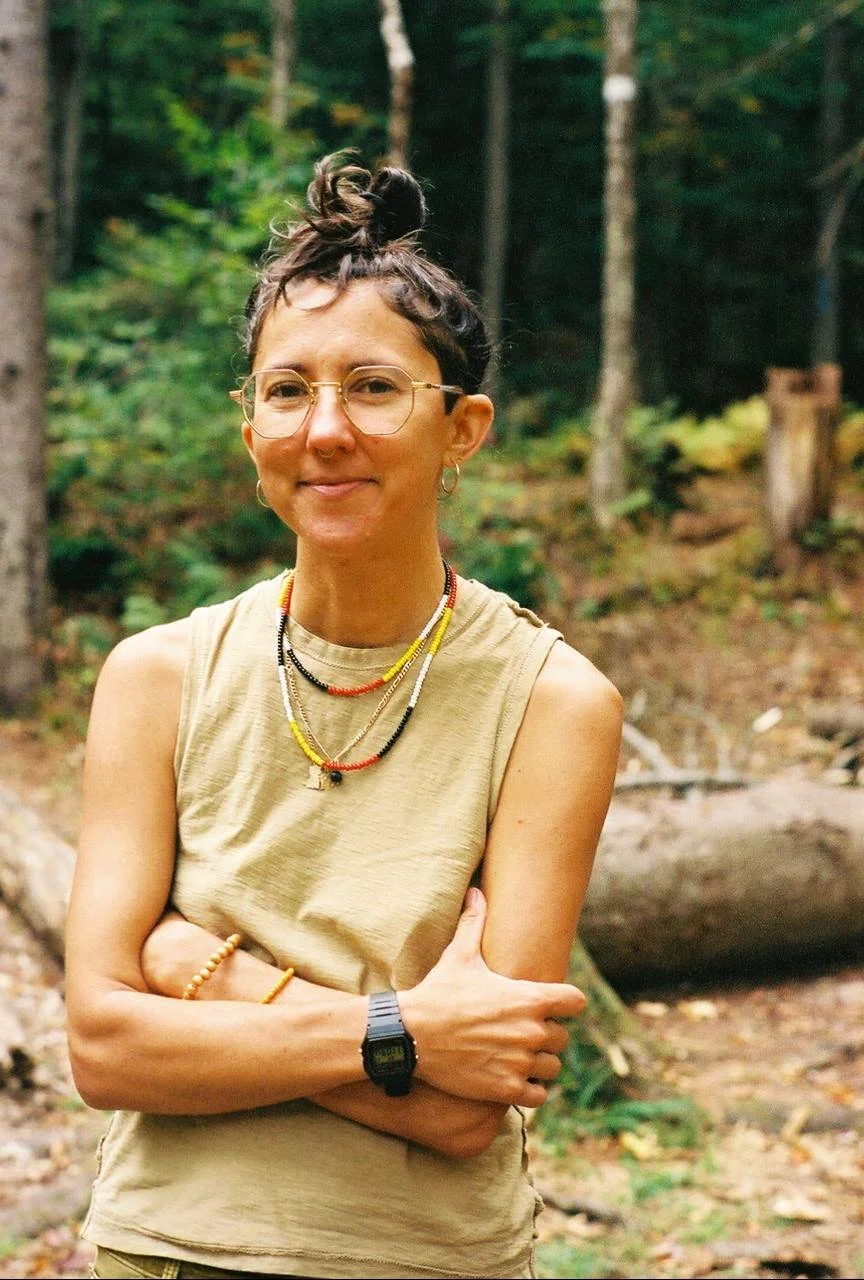
Cris Bouza (they/them) is passionate about agroecology as a way to feed people, regenerate ecosystems, & connect to ancestral lifeways. With Caribbean roots, Cris was born & raised on the Tequesta lands of South Florida. Their work is focused on agroforestry, cultivating community sovereignty & resilience; and facilitating connection & relationships back to land. In 2019 Cris co-founded Finca Morada, a half acre educational community space that has hosted 100s of workshops; is a working model & hub for climate resilience, & is an urban food forest of over 200 diverse varieties of edible, medicinal, and native species, located in North Miami.
Cris is an Alum of the MesoAmerican Institute of Permaculture, Soul Fire Farmer Immersion, Yale Tropical Forest Restoration & Agroforestry Program, Florida Master Naturalist Program, Syntropic Agroforestry Programs; and has a Bachelor's Degree from Berklee College.
When Cris isn’t facilitating workshops or tending to the land, they are also a professional musician & artist-activist.
-
This workshop will introduce or provide deeper understanding of forest ecosystems and the principals that they operate within, drawing upon lessons from Brazilian based syntropic aka successional agroforestry and agroecology methods in the Caribbean & Latin America. The workshop digs into valuable technical theory: maximizing photosynthesis, the value of perennials, stratification, forest succession, support species, and more to support growers at any level or scale, while also being highly engaging, dynamic, fun, and spirit centered.
D’Real Graham he/him
-
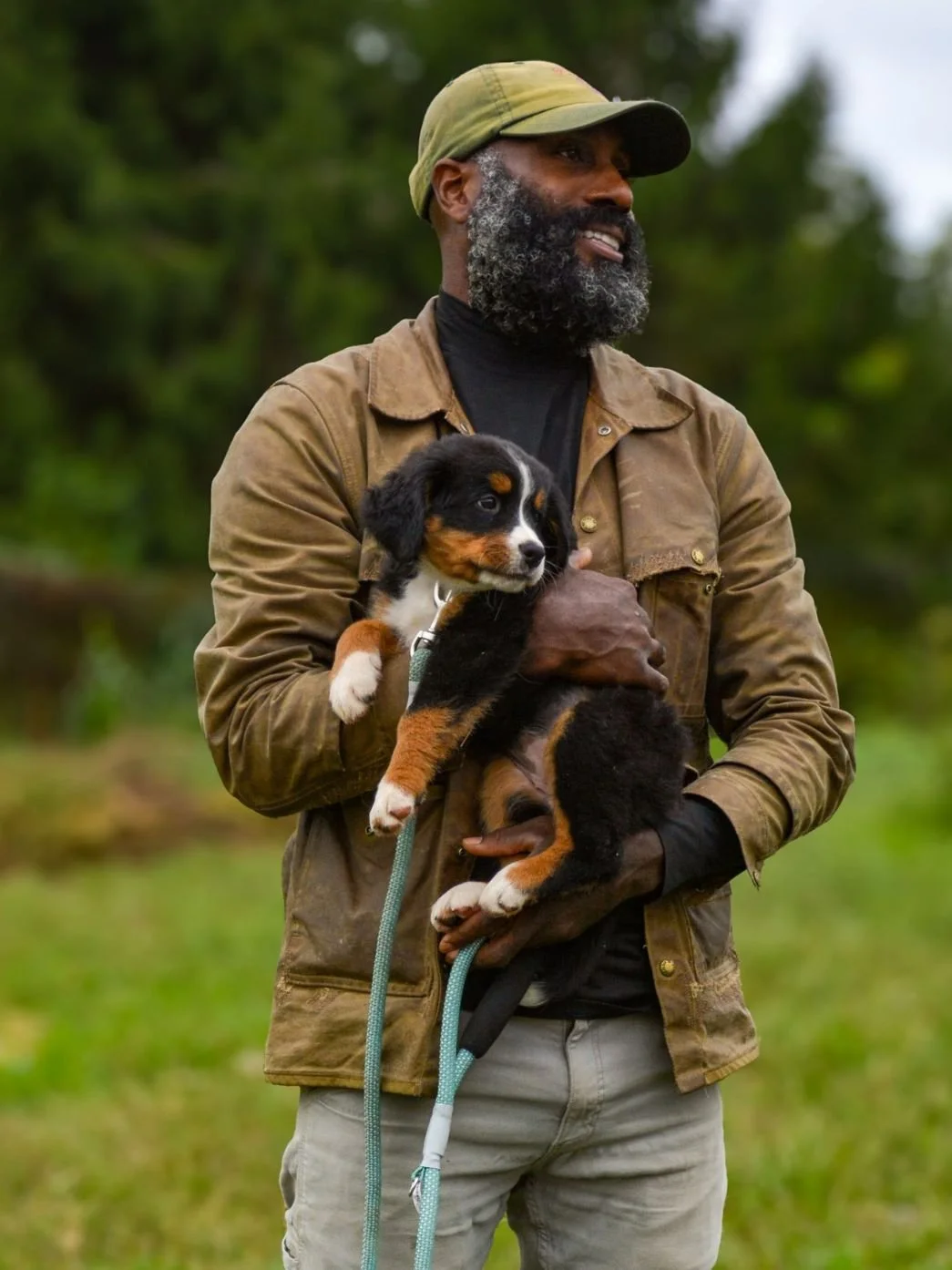
D’Real Graham, Board President (National Young Farmers Coalition), serves as Nursery Manager at Chesapeake Natives, a volunteer-driven nonprofit dedicated to promoting, propagating, and protecting native plants of the Chesapeake Bay watershed. In this role, he supports plant production, community engagement, and organizational growth, including the cultivation of over 150 native plant species from locally collected ecotype seed. His experience includes program management, produce safety training, and supporting farmers and organizations in building sustainable operations. D’Real is a Cornell Produce Safety Fellow (2025–2026), a graduate of the Future Harvest Beginner Farmer Training Program, and a Braiding Seeds Fellow (2024–2025).
-
This workshop will cover the main agroforestry practices such as silvopasture, alley cropping, forest farming, buffers, windbreaks. We will situate these practices within a lineage of Indigenous perspective grounded in relational stewardship, reciprocity, and place-based knowledge. We will review species selection basics for the Northeast bioregion- matching trees and shrubs to site conditions, management capacity, production and markets, and farm goals, followed by a facilitated discussion on barriers and pathways to adoption. In the discussion we will introduce common funding and support options (cost-share, grants) while offering a case example of a community food forest, highlighting how agroforestry can reconcile production with relational stewardship of place.
Emith Escobar he/him
-
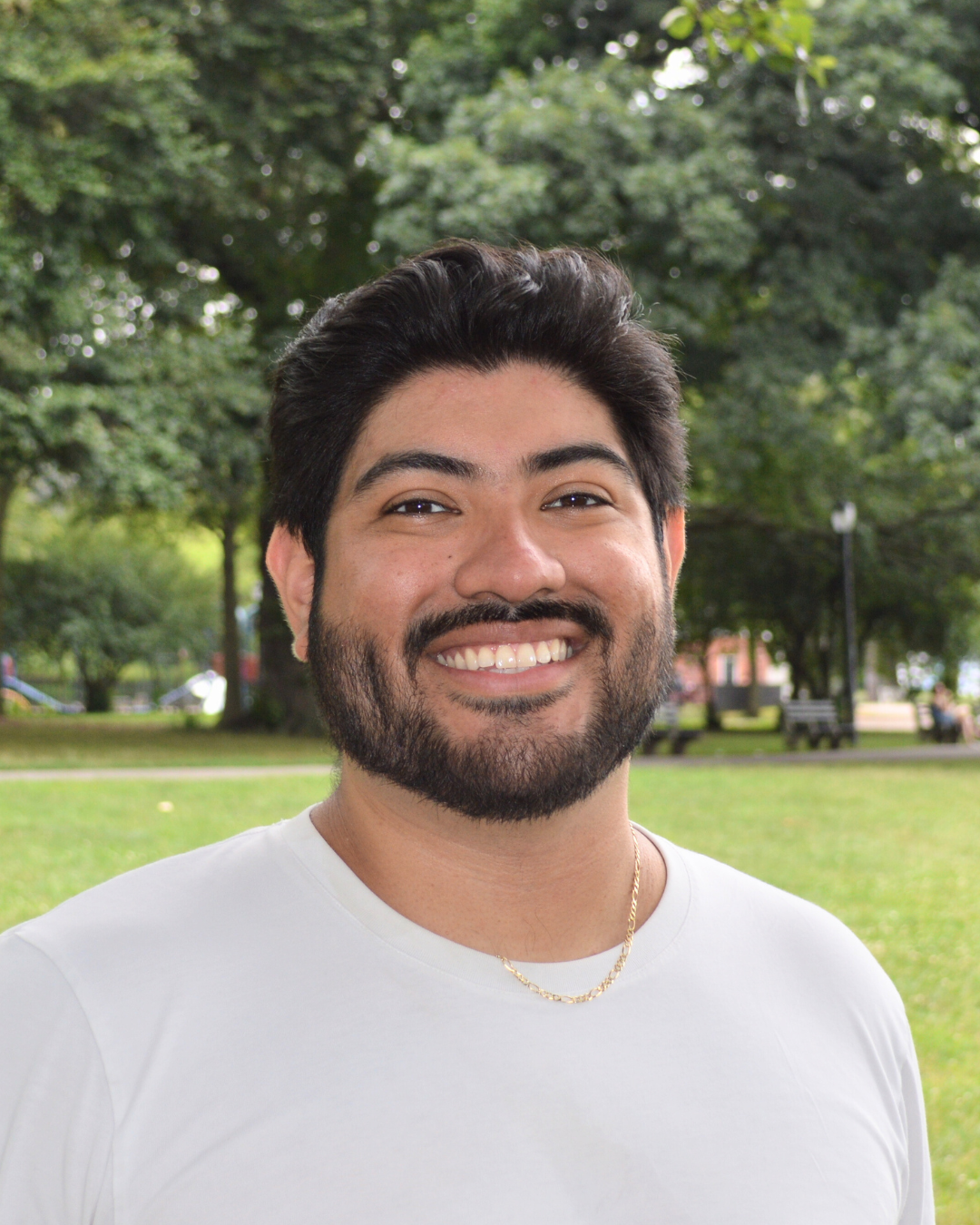
Emith is an organizer with Brandworkers, a nonprofit worker center supporting food manufacturing workers in New York and New Jersey to build strong, democratic, worker-led unions. Emith focuses on training workers to become strong organizers capable of leading their own campaigns. He also sits on the board of the Food Chain Workers Alliance, a national coalition of worker-based organizations organizing to improve wages and working conditions for all workers along the food chain.
-
In this workshop, we will explore how farm worker-led organizing builds stronger, more democratic, and militant movements that transform workplaces from the ground up. We’ll break down the differences between union models, and take you through the organizing process for farm workers under the New York State Public Employment Relations Board (PERB).
Gwendolyn Nicholson & Toshima Cook she/her
-
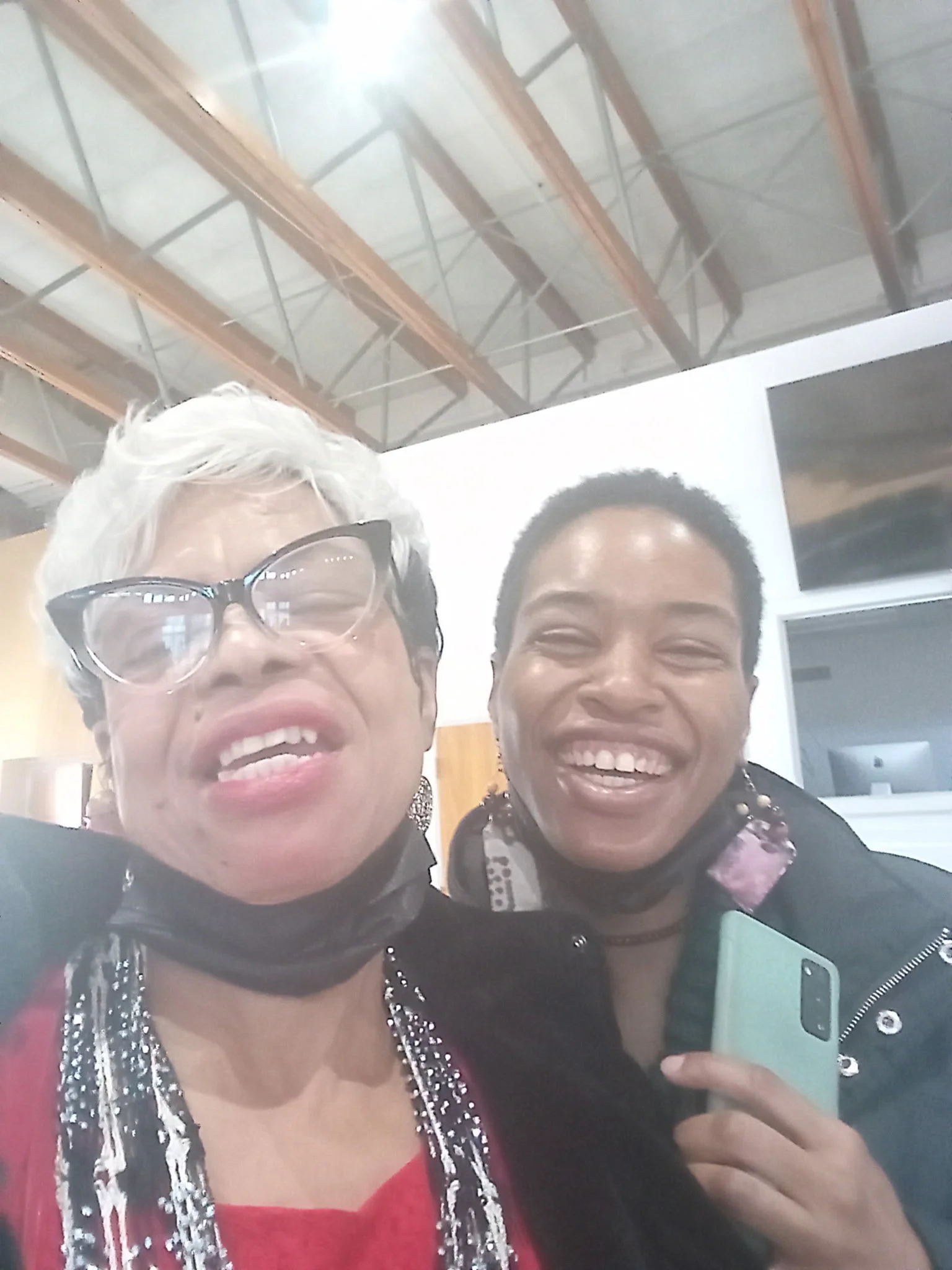
Gwendolyn and Toshima are a grandmother–granddaughter duo rooted in their love for herbs, local history, and the wisdom of their elders. Raised along the shores of the Chesapeake Bay, Gwendolyn is a seasoned forager and pillar in her community. Known affectionately as “Aunt Gwen,” she is adored for her herbal remedies, generosity, and love of a good party. Toshima is a community navigator, teacher, and healing artist who loves sitting at her grandmother's feet and sharing the stories of they're lineage and community. Together, they preserve the wisdom of those who came before them.
-
Many black and brown communities have developed a complex relationship with land over the generations. This workshop is an exploration of these complexities through somatics, art and storytelling focusing on specific plants intertwined in this history, such as Dandilion, Poke Sallet, Goldenrod, Sassafras, and Wall Nut.
Join Gwendylon and Toshima as they slip into one of their favorite rhythms—granddaughter and grandmother journeying back through Gwendylon’s childhood, exploring her early lessons in foraging, old-country remedies, food preservation, and the deep sense of community she learned from her elders.
Hana' Maaiah she/her
-
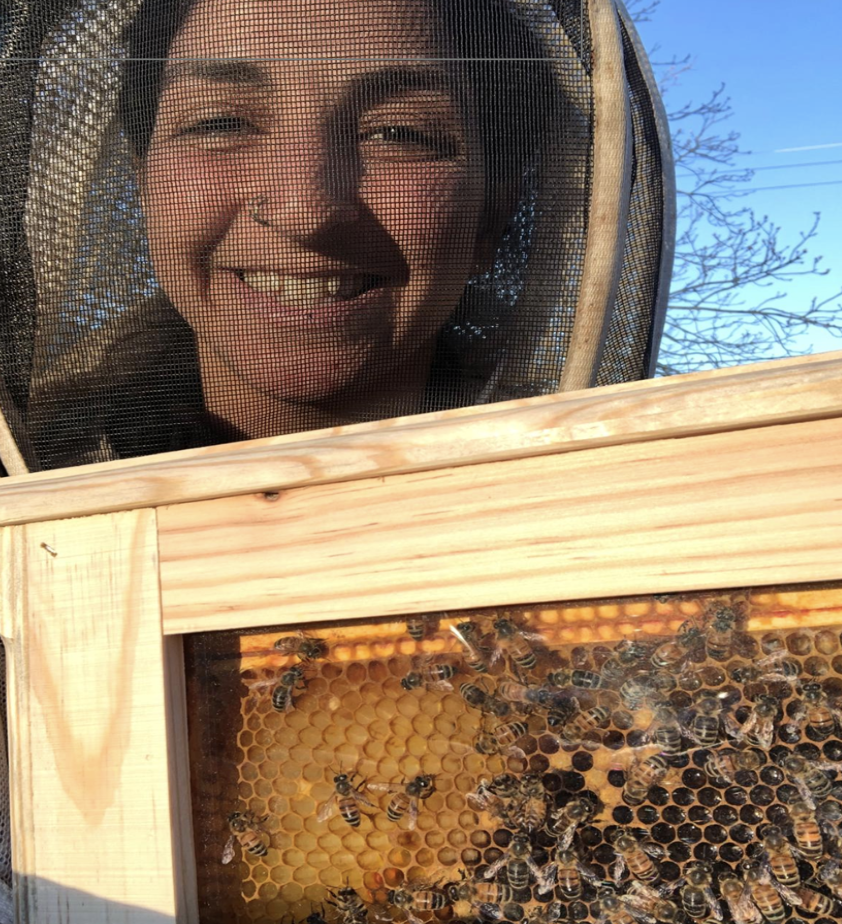
Peace! My name is Hana’ Maaiah (she/her/all pronouns), and I am a queer Palestinian-Jordanian nomadic farmer, beekeeper, educator, friend and organizer. My forever fascination of Earth’s intersections in farming, energy, climate, race, politics and spirituality has brought me to Montana as a River Ranger, Oregon to study Environmental Science and Environmental Agriculture, and Alabama as an Assistant Farm Manager and mentor in youth programs. In learning that “to free ourselves, we must feed ourselves” (Leah Penniman), I landed at Soul Fire Farm, and currently serve as the co-Farm Manager and Farm Education & Programs Manager. After almost a decade of farming and teaching around the country, I learned the urgent need to bring advocacy and care for the Earth from the fields to the streets. As “all revolution is based on land” (Malcolm X), the power of regenerative and communally grown food heals our planet, builds trust in our communities, and gives us reason to keep learning, dancing and feasting. When I’m not farming you can find me in the woods, by a river, and literally hugging trees.
-
Bees are our ancestors, pre-dating human existence on the Earth by tens of millions of years. When we host bees on land, they teach us about communal living, positive environmental impacts, and how to dance and make sweet treats. The goal of this workshop is to make bee keeping as possible as possible, so by the end of it, you will know how to manage your very own backyard hive! In this hands on workshop, we will:
Learn about the history of bees
Understand honey bee biology
Discover pests and diseases that impact the hive
Learn where and how to install a backyard hive, plus how to connect with a bee mentor
Explore how to source bees, hive materials, beekeeping equipment and other related start up costs
Be introduced to the honey extraction process
Buzz buuz!
Jade Hsiang they/she
Gota Rivera they/them
-
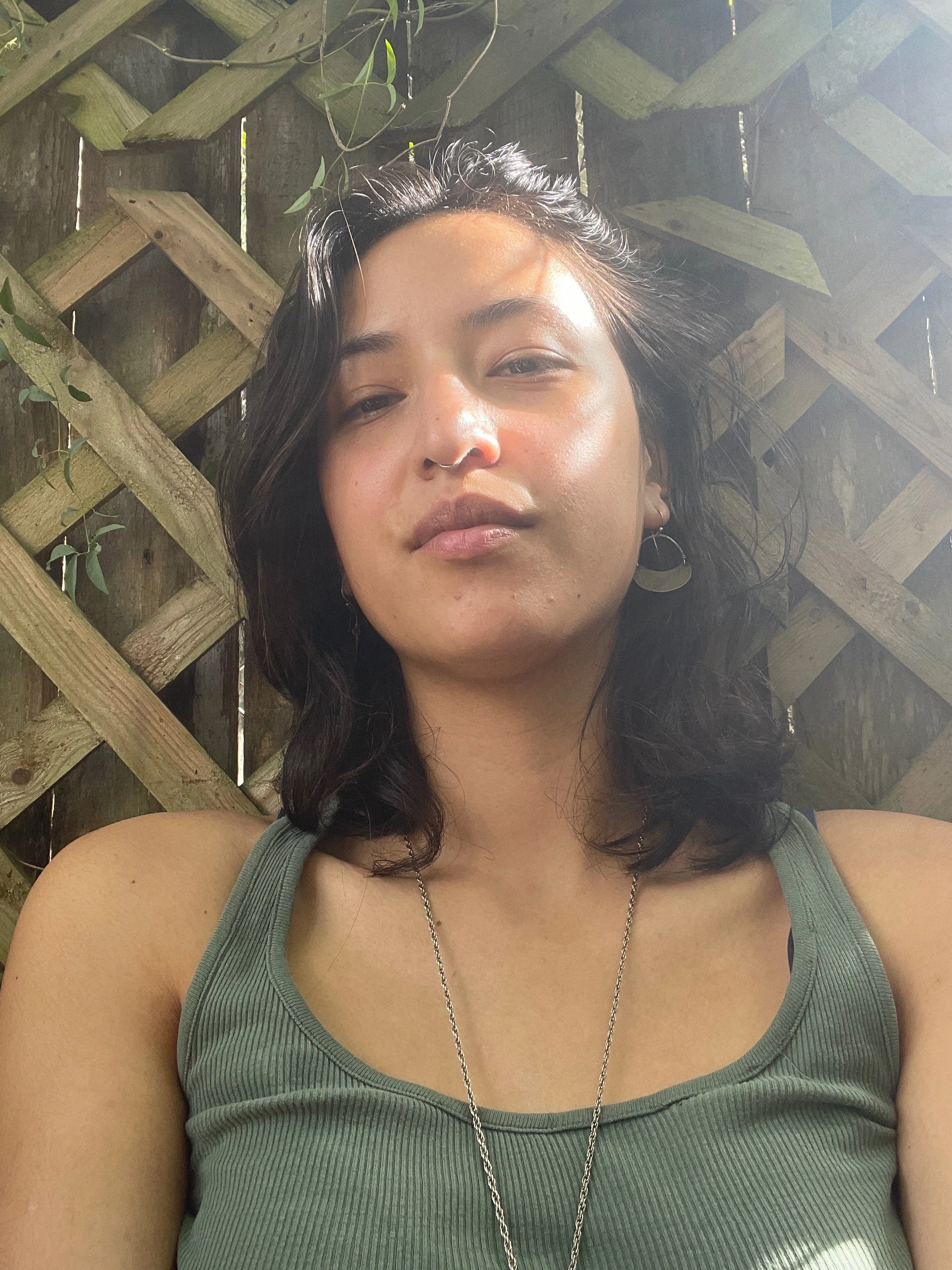
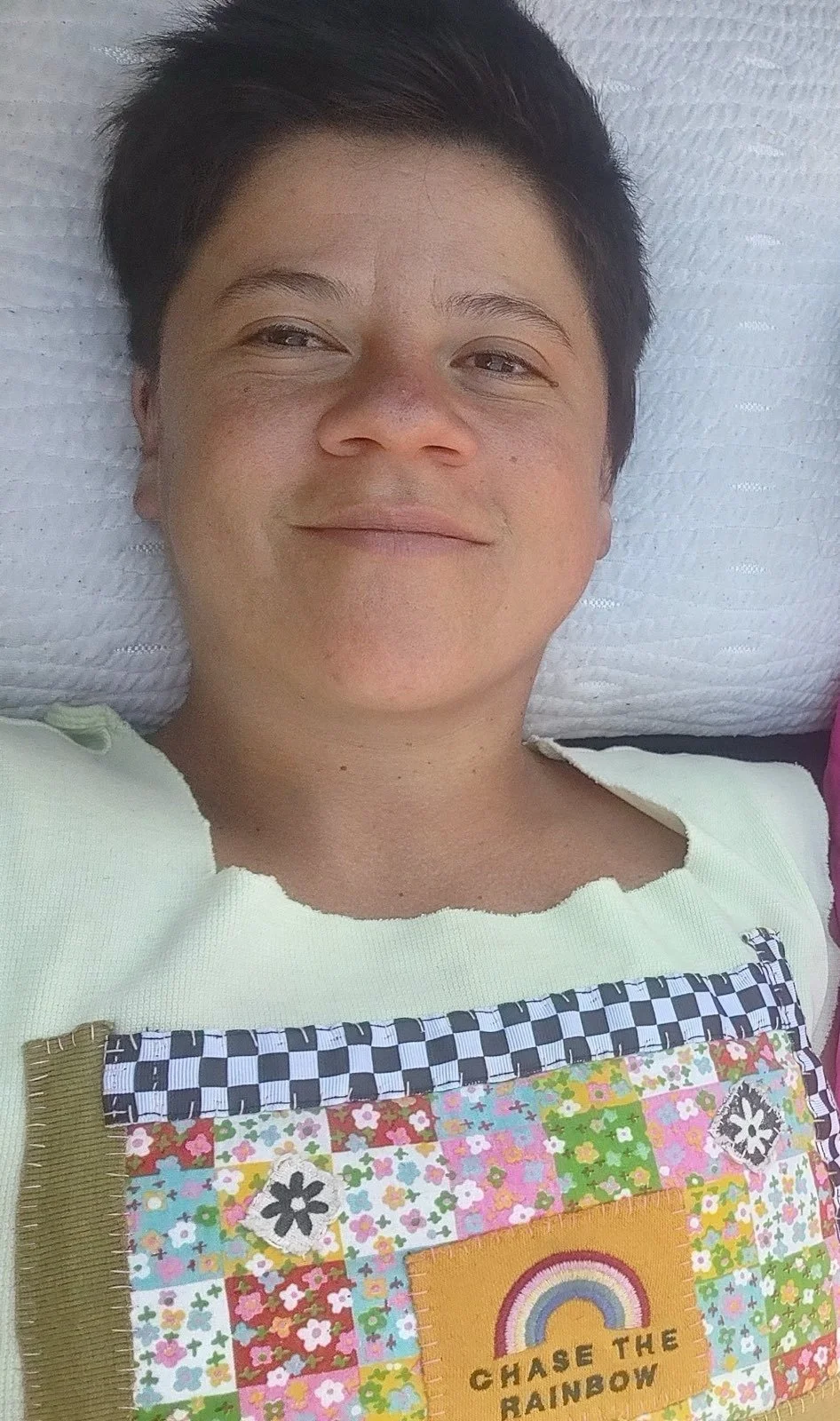
We are queer, BIPOC food sovereignty practitioners living on the Abenaki land knows as Burlington, Vermont. We lead workshops that help provide knowledge to our communities about food preservation. We are farmers, dumpster divers, and professional potluckers.
-
In this workshop will be studying the basics of Lactic Acid Fermentation, an ancient, preservation method where Lactobacillus bacteria convert natural sugars in food into lactic acid.
This process inhibits bacteria, boosts probiotics, vitamins and enzyme levels.
During this workshop we will learn:
How to make the simple 2 ingredient ( water and salt) brine, that creates an anaerobic environment, the different ratios used (2%-5%), and what vegetables are more suitable for this process.
The primary purpose of Lacto Fermentation is to preserve food without refrigeration by creating a highly acidic environment that prevents spoilage, while also improving digestibility and nutritional value.
Jalal Sabur he/they
-
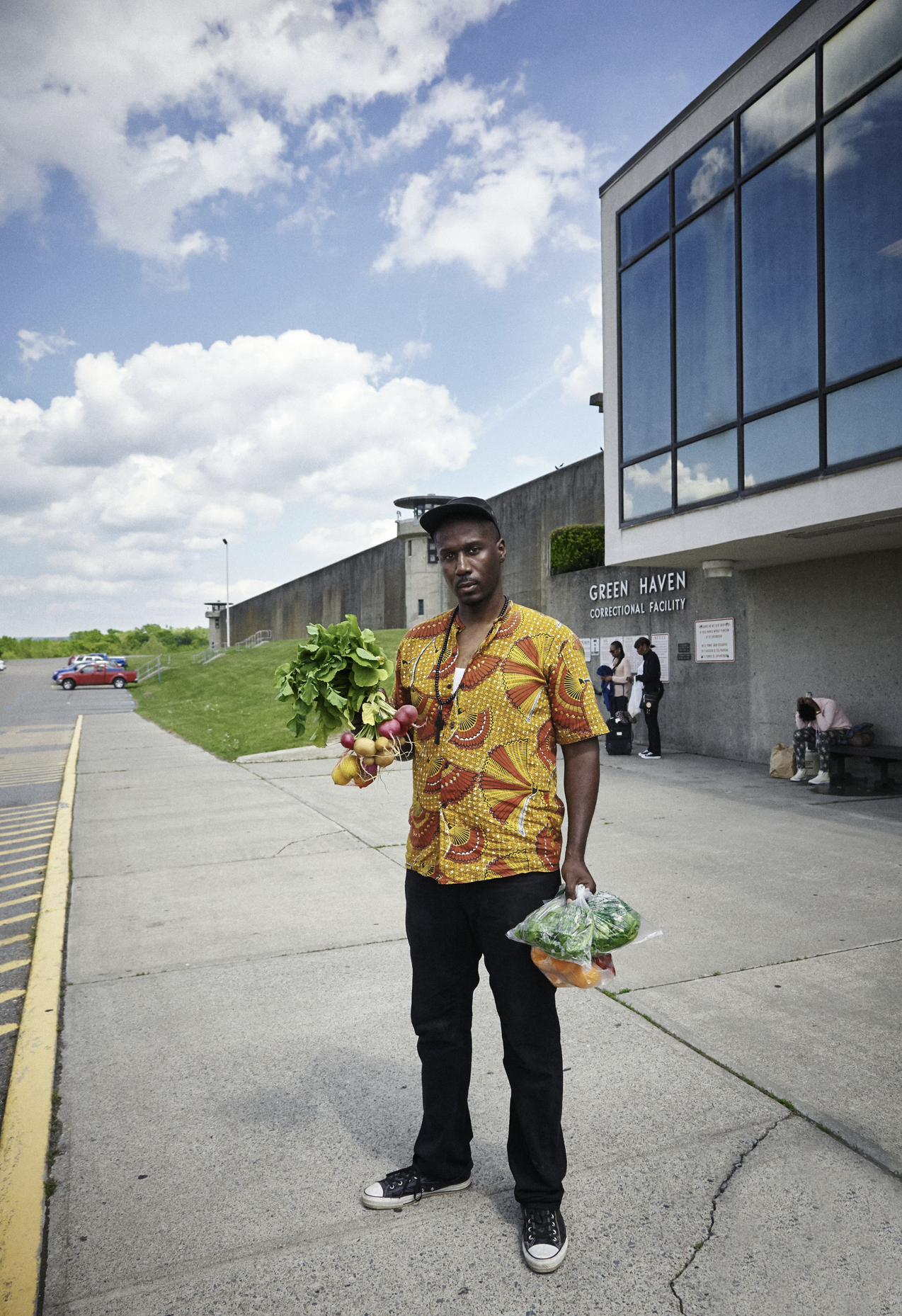
Jalal Sabur is cofounder of the Freedom Food Alliance, a collective of small rural and urban farmers, activists, artists, community folks and political prisoners who use food as an organizing tool. Based at a farm in Millerton, New York, they offer opportunities to minority groups inordinately impacted by systemic mass incarceration.
-
From the 18th and 19th centuries to the present day, sugar has been at the center of systems of exploitation — and resistance. Enslaved African and Indigenous peoples were forced to labor in brutal sugar plantations across the Caribbean and the American South. In response, abolitionists and free Black communities cultivated alternative sweeteners — maple syrup, sorghum syrup, and boiled cider — as a deliberate boycott of slave-produced cane sugar. The Abolition Sugars workshop traces this history, highlighting how sweeteners became a tool for both survival and solidarity.
We will connect these historic struggles to the work we do today at Sweet Freedom Farm: producing maple and sorghum syrup, growing grains, and using land stewardship as a form of modern-day prison abolition. We will share how our farming practices challenge extractive economies, build local self-determination, and reclaim land for community nourishment and organizing.
Participants will engage with historical documents, taste examples of abolition-era sweeteners, and explore strategies for using food production as a tool for systemic change. Together, we’ll reflect on how the abolitionist spirit lives on — in the fields, in the sugarhouse, and in the movements for liberation.
By the end of this workshop, participants will:
Understand the historical role of maple syrup, sorghum syrup, and boiled cider in boycotting slave-grown sugar.
Connect 19th-century abolitionist foodways to contemporary movements for land justice and prison abolition.
Explore how farming and food production can serve as tools of resistance and community building.
Leave with ideas for incorporating abolitionist practices into their own farms, food projects, and organizing.
Jovan Sage they/she
Nat Rodriguez they/she
-
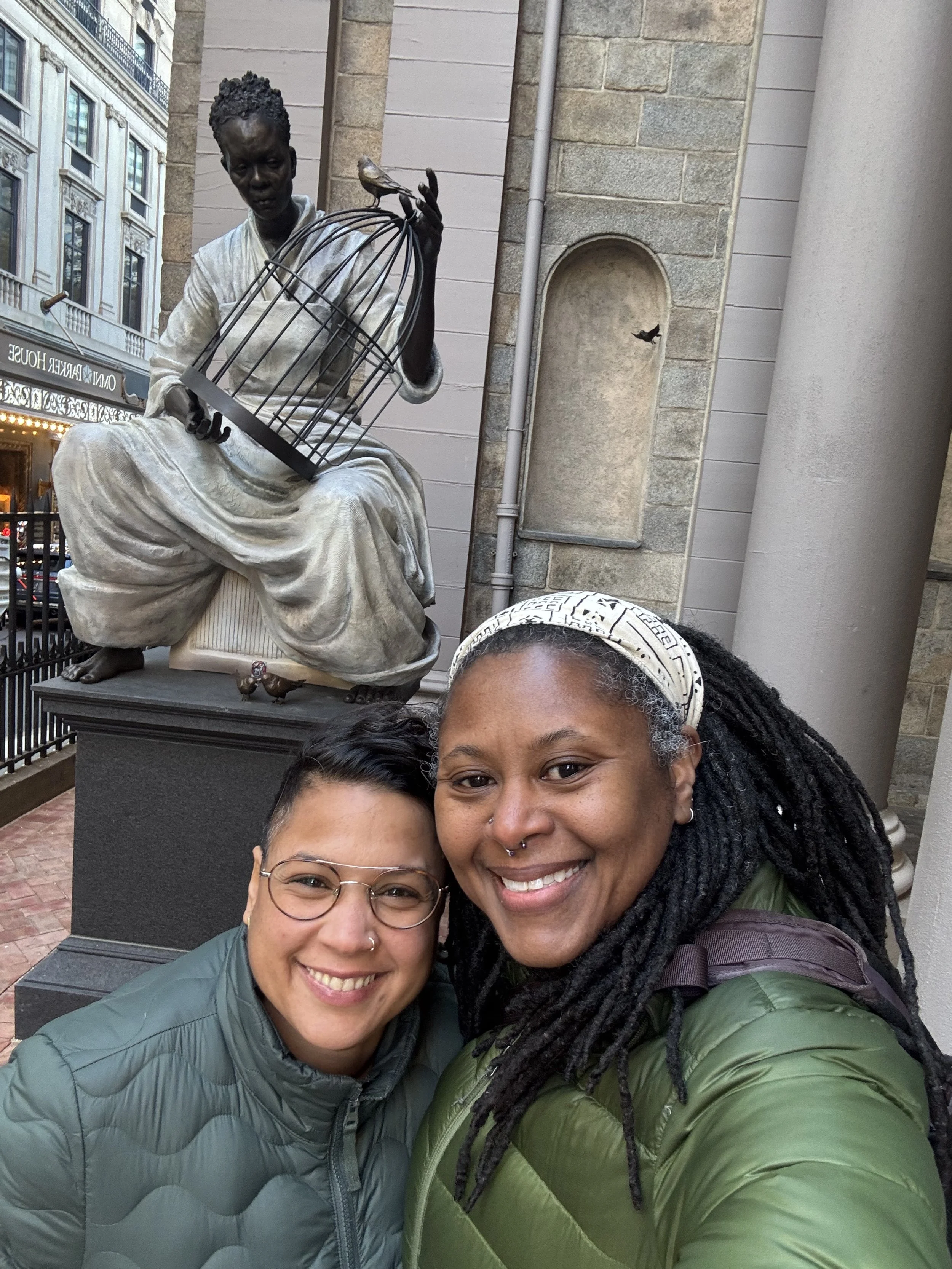
Nat: Nat Rodríguez (they/she) is a queer curandera de corazón descended from a long lineage of Afro-Cuban healers and Gallega meigas. Nat conjures healing and remembrance through many roles: relationship counselor, folk herbalist, ritualist, clinical social worker, facilitator, deathworker, mother, and dancer. Nat offers tools to help people recall primal and ancestral memories of belonging, tenacity, and security. Their community healing work is guided by joy, Ancestral wisdom, and lived experience with illness and death. Nat is passionate about teaching embodiment practices that create space for more presence, harmony, and pleasure during liminal times.
Jovan: Jovan Sage (they/she) is a Heart Consoler, Death Midwife, and Grief Weaver who threads sacred space and heart medicine together. Their work is to guide those navigating deep transformation and tender thresholds of grief. Their practice is grounded in Black ancestral healing and land practices, queer liberation, and intimacy with the natural world. Their teaching centers tending to our body’s way-knowing, and our communities of Ancestors, people, plant, and animal kin.
-
We are living through liminal times that call us to dig deep into our ancestral inheritances of tenacity, belonging, and spiritual protection. What will support us to nourish and relate skillfully to the inner ecology of our hearts? What tools need sharpening to be in right and reciprocal relationship with our Ancestors, beloveds, communities, and Earth? How can we access our wildest selves in service of more robust joy and security?
Our co-created healing space will offer opportunities to:
Engage in embodied relational practices like somatic co-regulation (with the Land and each other) to explore sovereignty and connection.
Recall primal practices like shaking, sounding, and animal gesturing to awaken ferocity and playfulness.
Dialogue about protective ancestral technologies from our lineages, including casting a circle and grounding our homes.
Encounter the potent energetic medicines of rose, hibiscus, and tree.
Blend an energetic plant essence to support your healing and justice work.
Join us for nourishing and protective Heartfood!
Juan Carlos Franco he/him
-
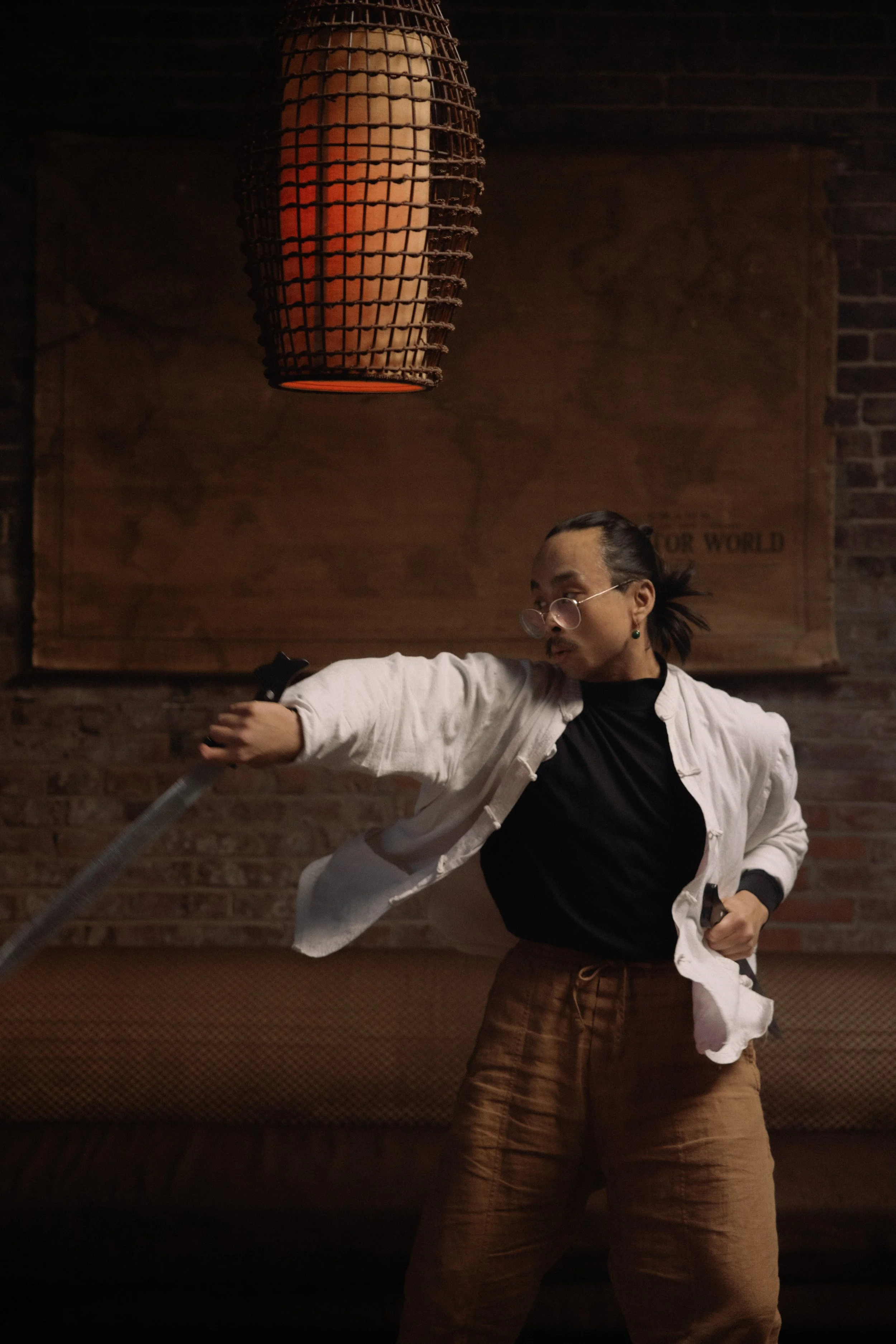
JC Franco is an artist based in Kansas City who specializes in art direction and graphic design. He is also a lifelong practitioner of martial arts whose primary focus is internal martial arts and the study of the martial arts of his Filipino heritage: Arnis.
-
Filipino Martial Arts (Arnis) refers to a diaspora of martial techniques originating from the Philippines. During this session we will engage in a short grounding exercise, stretching and movement, technique learning, and partner drills. This hands-on workshop focuses on the movement and energy techniques used by Arnisadors to build awareness in their own physicality, spirituality, and energetic relationship to others. While many of these techniques are couched in a martial tradition, what we practice can be compared to tai-chi or qigong, in that it requires learning specific movements that can be built on independently or with a partner. This workshop can be beneficial for all walks of life and skill levels; those who make a living using their bodies will find more confidence in their ability to use their physicality to continue to do good work.
-
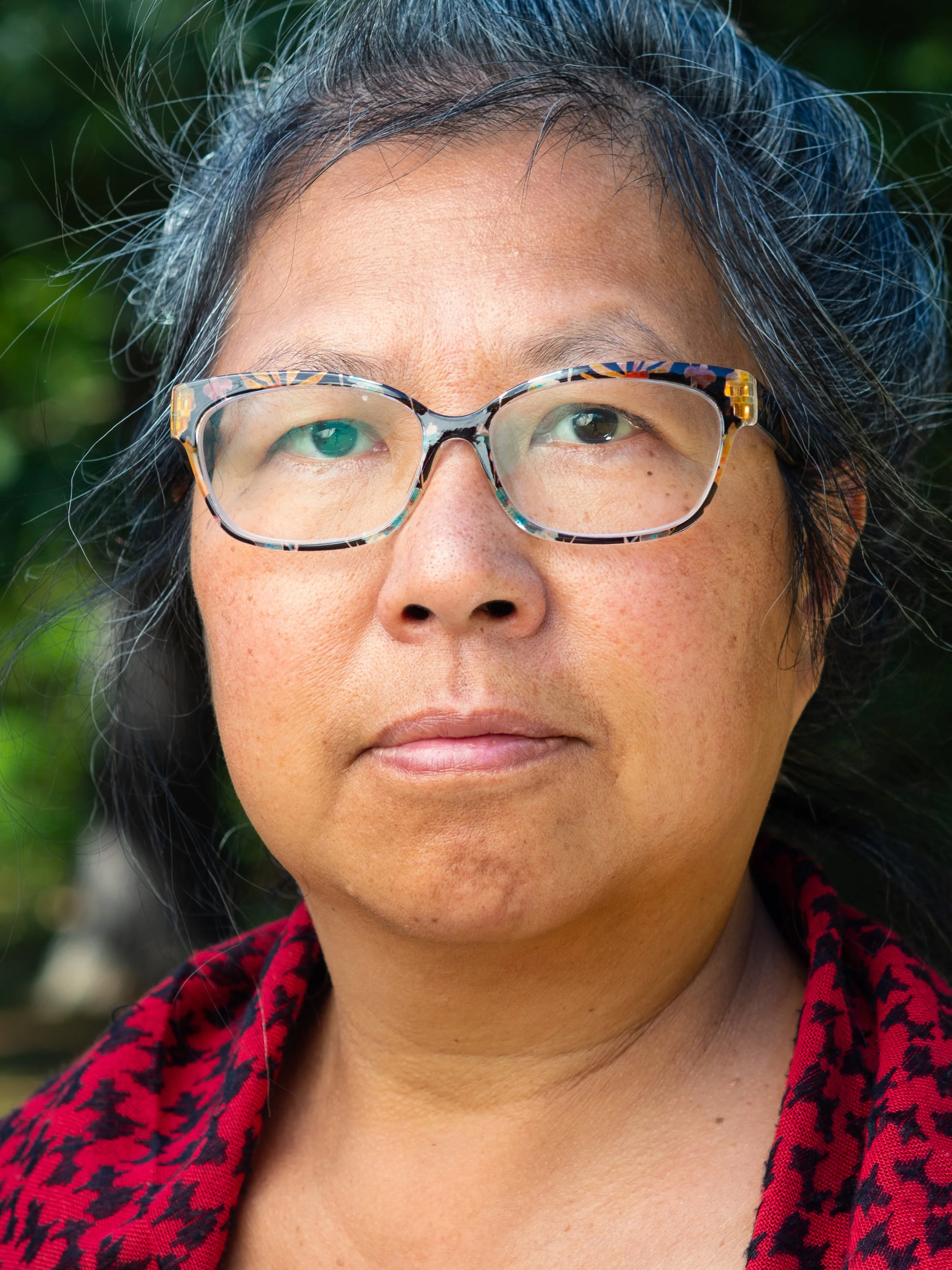
A daughter of Taiwanese farmers and brickmakers, JuPong Lin invokes the medicine of art and poetics in the struggle for apartheid free, kincentric worlds. She resides in Nipmuc homelands, Western Massachusetts, where she co-founded The PeaceBirds Project, an arts-centered, movement-building initiative that holds space for collective grief and witness of atrocities committed near and afar. As a founding member of the Land Lovers collective, she is learning to embrace darkness and revel in migratory unbelonging.
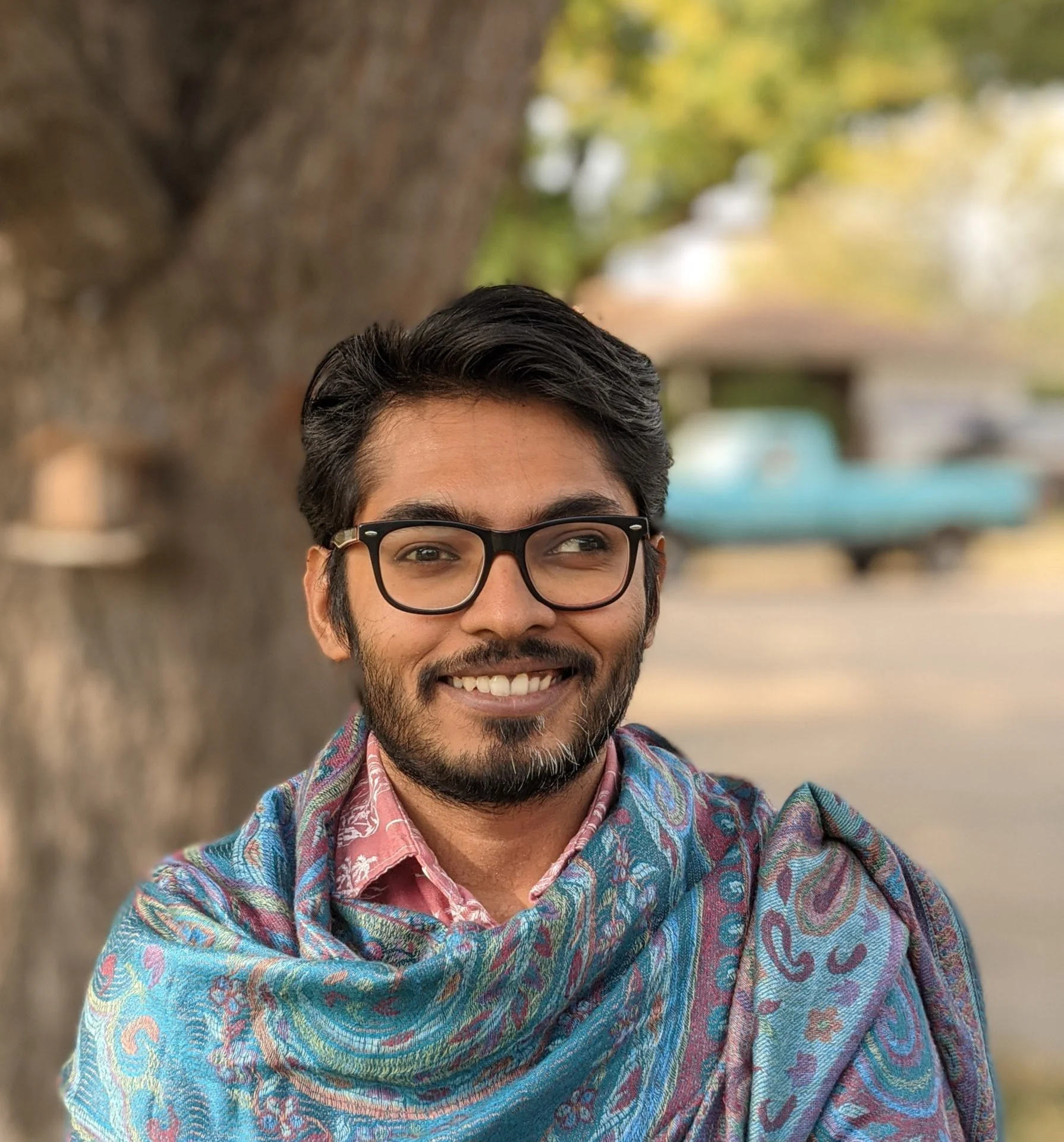
Efadul Huq is an educator, researcher, and organizer working at the intersections of land, ecology, and justice. His work grows from community relationships in Bangladesh and the northeastern United States, where he learns with farmers, wetland communities, and others caring for land under conditions of displacement and climate collapse. He is interested in how insurgent acts of repair and collective care can help us build futures of dignity. At We the Land!, he brings a deep commitment to listening, learning, and honoring land as teacher.
-
The mandarin character, 氣 (qi) means energy, vitality or life. 功 (gong) means work or cultivating. Qigong, a branch of Chinese medicine that has been developed and practiced for over 2,500 years, is a method of self-care based on the energy systems of the body. JuPong integrates Qigong with kincentric awareness promoting both individual health and wellbeing and relational connection with all beings in the web of life.
-
This workshop invites participants into the eco-political and tactile practice of papermaking using Itadori (Japanese knotweed), a plant labeled an ‘invasive’ species across the Northeast and beyond.
Together, we will learn how to harvest, process, and transform Itadori fibers into handmade paper, while critically reflecting on what it means to live, struggle, and make with this plant being. As we work with the plant fibers, we become intimate with its qualities and thus change our relationship with so-called 'invasive' beings.
Drawing from decolonial ecology and community-based land practices, this workshop treats papermaking as both a skill and a political gesture—one that asks how colonial land management, migration, displacement, and ecological disturbance are entangled. Participants will explore how making paper can become a practice of repair, care, and storytelling, reclaiming introduced plants not as enemies, but as witnesses to broken systems and possibilities for regeneration.
JuPong Lin she/her/ee
Efadul Huq he/him
Khonsu X he/him
-
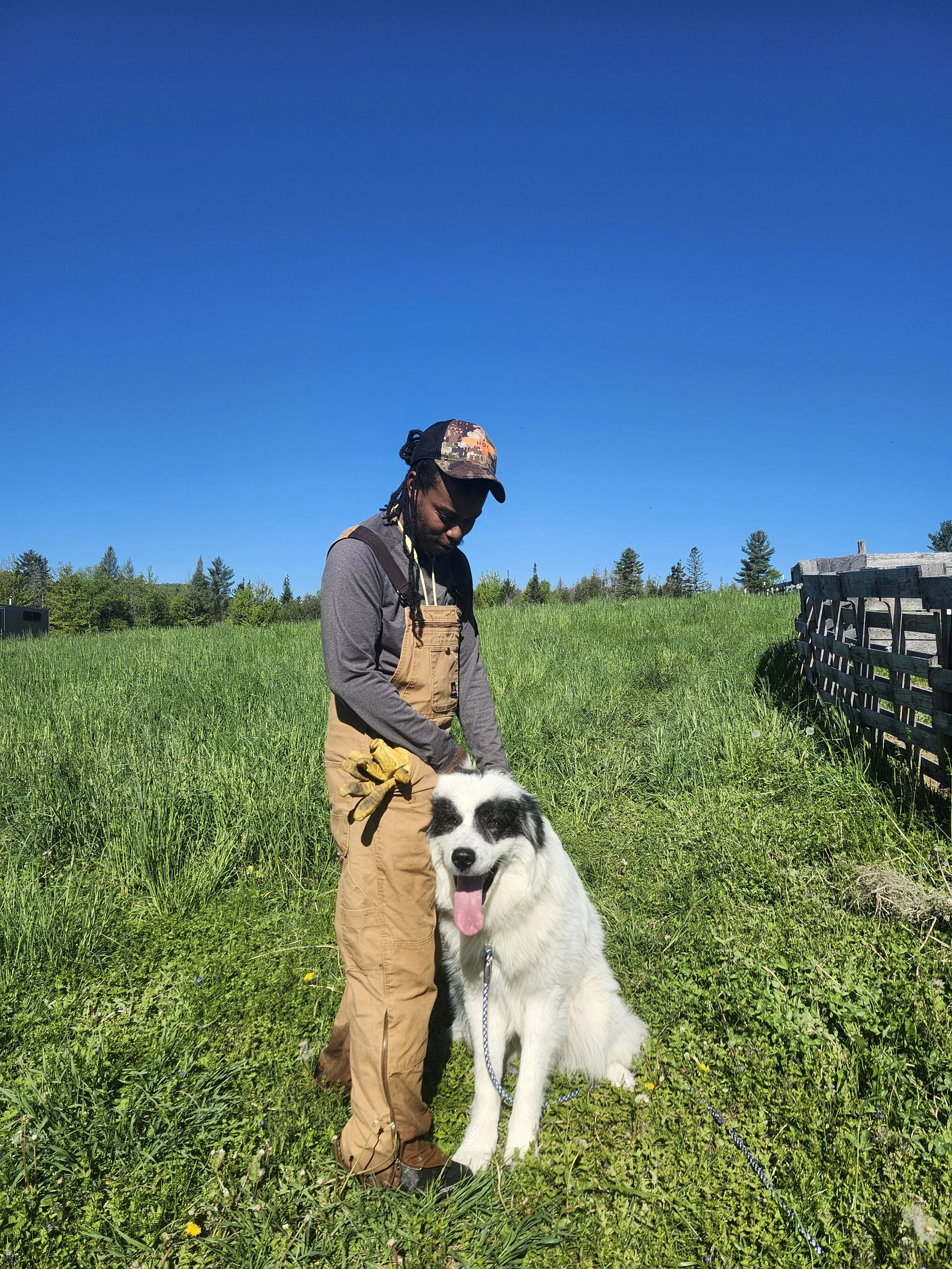
“As an Afro-ecologist combatting my own nihilistic understanding of Afro-pessimism, my art and farming practices reflect my Hoodoo spirituality and philosophical lens on the world. I diverge from Afro-pessimism in my commitment to the liberation of all people as a function and result of Black autonomy." — Khonsu X is a community organizer, transmission artist, co-founder and co-steward of Ezili’s Respite Farm & Sanctuary, L3C. He is also co-developer and a co-facilitator of the Harm Reduction Heroes(c) model for intergenerational peer-mentorship programs, both virtual and land-based. Khonsu spends his days with his husband, two pitbulls, a rescued street cat, a livestock guardian dog, goats and chickens. His favorite forms of harm reduction are hunting, kayaking and calendula tea.
-
This workshop is tailored to folks who have access to land but have limited financial capital. Learn how to start a farm with just a few hundred bucks and a lot of ingenuity. This workshop will include information about building with pallets, salvage and how to find it, library knowledge, and extension websites. The workshop will also include information on animal husbandry and how to care for yr animals on a budget, with informational resources and DIY knowledge. We will also have conversations around mutual aid, connections, and community building.
-
Veggie Tales was Christian. Cedar Tales is spiritual. In this workshop we will wrap bundles of fresh and dried cedar in bath soaks and smudges while telling stories focused on masculinity. This workshop is a space for masculine energy to heal and gather with a potent, indigenous, culturally relevant, local, sustainable medicine. Stories may be recorded with participant consent.
Larisa ‘Lala’ Jacobson all
-
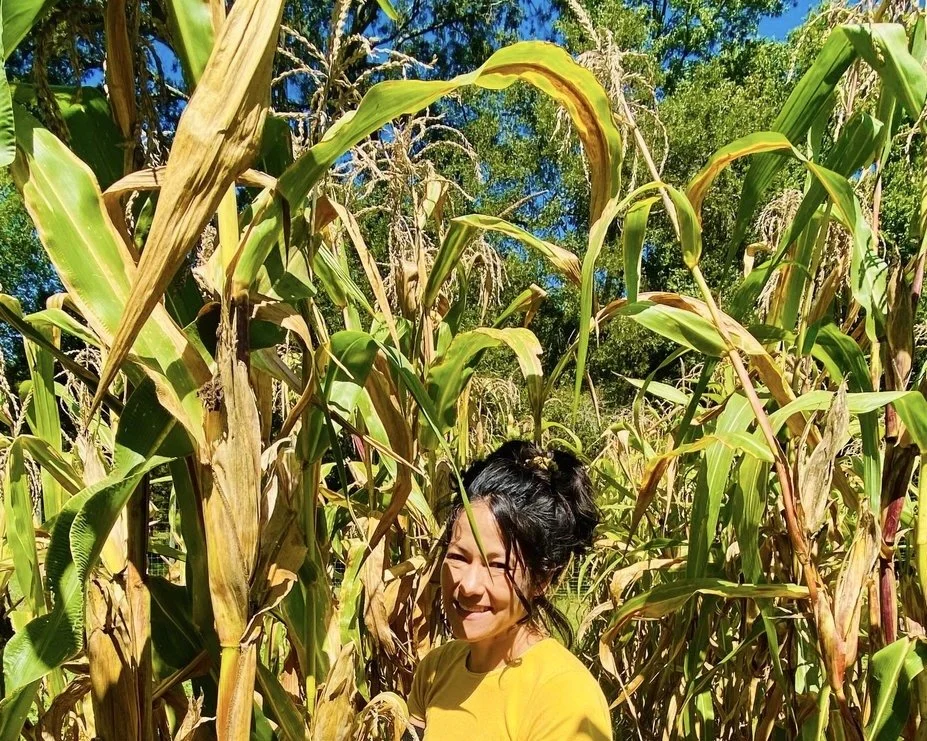
Rooted by ancestors who tended mountainside maize and millet, Lala ate mud for playground cheers and dug clay for pots as a child in the city, and now draws on farming experience going back 29 years, study in formal settings, and work alongside farmers, community healers, clay vessel makers, and elders in Ghana, Mexico, Haiti, and Guatemala to share soil love in all its nitty gritty dimensions. Lala previously served as Farm Director and Co-Executive Director of Soul Fire Farm, planning the farm’s systems and incorporation of ancestral plants and practices, coordinating weekly Solidarity Share food deliveries for 100+ members, co-hosting immersions for hundreds of Black and Brown land stewards, developing resource guides, and producing the bilingual Liberation on Land Skillshare Video Series. In the past, Lala has been an herbal medicine maker, tractor implement tinkerer and welder, natural builder, and martial arts practitioner. Currently, in their Climate Justice & Advocacy role at NEFOC, Lala seeks to support practices for caring for ecosystems during the age of climate crisis and pathways for advocacy, mutual exchange, and resource redistribution for our communities.
-
Come explore crop planning as a practice of conjuring, working with time, space, seeds, soil beings, water, and sun. We’ll imagine growing spaces where plants share dimensions above and below the soil, planning them together in living ecosystems—often called companion planting, interplanting, mixed plantings, or polycultures—while considering the beings of the soil microbiome, whose richly entangled alliances shape the life of the soil and how plants grow.
Rooted in lineages of storytellers, soothsayers, soil tenders, and healers, we’ll explore intercropping, polycultures, and succession planting as ancestral and current practices to shape thriving, interconnected living compositions, often where land is challenged or limited in size. Leave with practical tools and guiding questions to design layered gardens or farms, and new approaches to crop planning as a collective, creative act of conjuring stories with the land.
Louis Tigney they/them
-
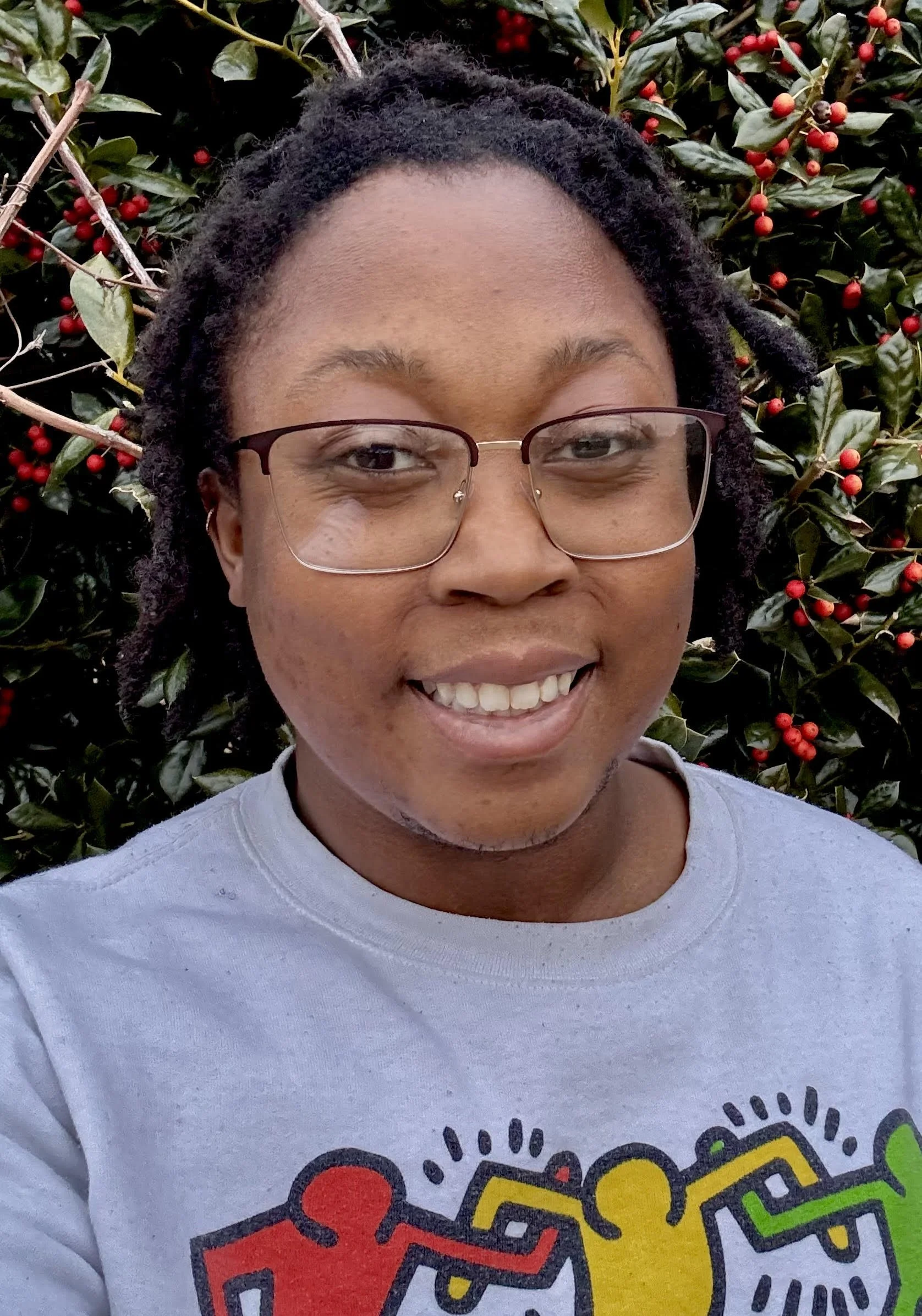
Louis Tigney (they/them/silent 's' at the end) is a Black, agender solar/cyberpunk who loves nature and how it influences technology. As a disabled cultural organizer, they use different forms of artwork, landwork, and skywork as tools to inspire, agitate & prod at the radical imaginations of those around them. In the communities where they find home, from the US South to the Midwest, they utilize social artmaking and popular education, such as stargazing and storytelling, as primary modes of relationship building.
-
Amateur Radio as Land Based Practice in Community Care introduces amateur radio (or ham radio) as a method to connect with one's local surroundings and community. We will discuss West African histories of long distance communications, disaster preparedness as community care, and how radio communications are shaped by the surrounding land and sky.
Maebh Aguilar they/them/elle
-
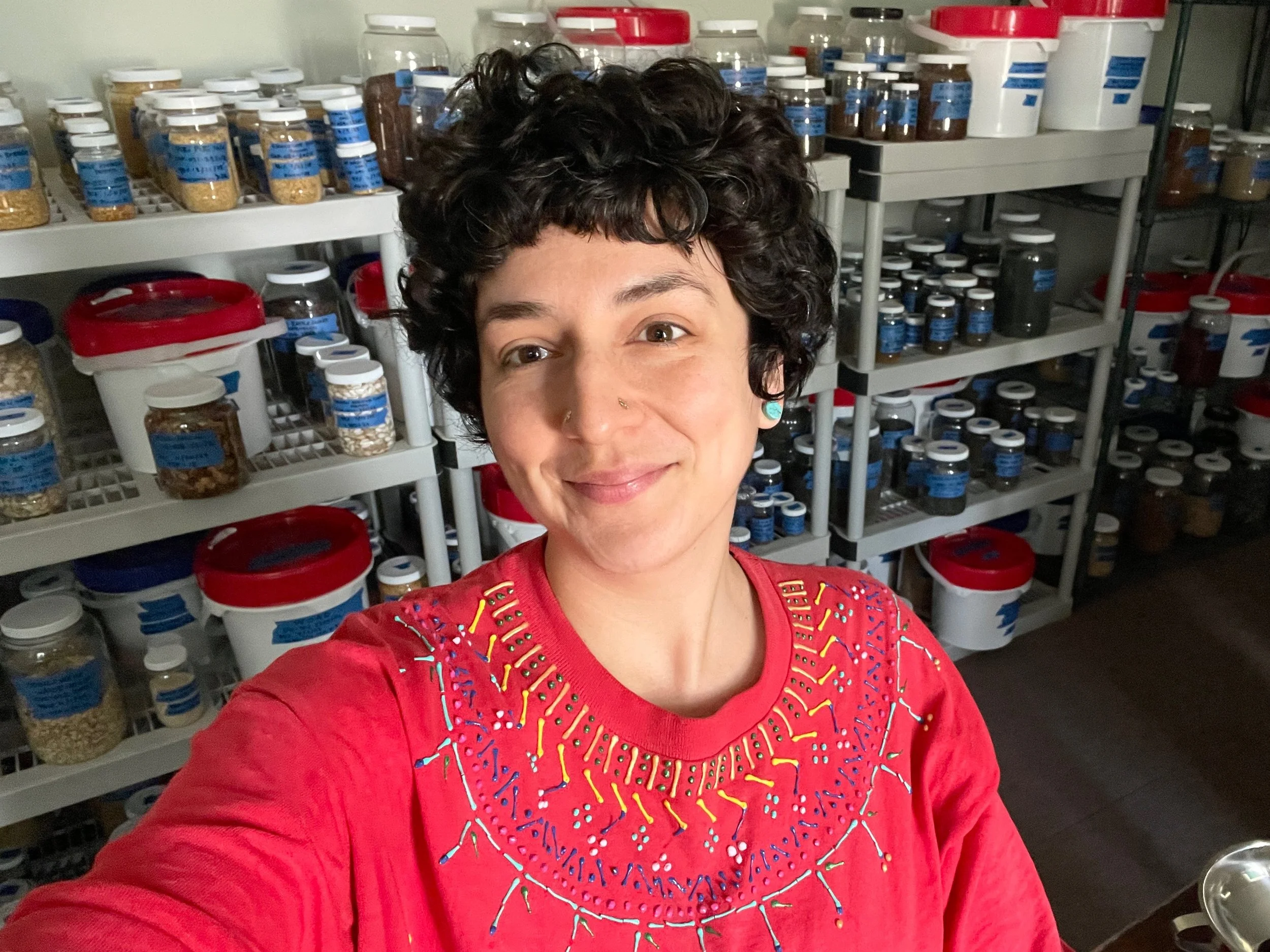
Maebh Aguilar is a plant tender, artist, gardener, herbalist, writer, and seed saver. Their work orbits themes like migration, anti-imperialism, ancestral reconnection and diasporic ecologies. They are Ecuadorian and Irish, from an immigrant family. They were born, raised, and live in Philadelphia, where they work as Seed Collection Manager at Truelove Seeds and as an herbal educator with the Building Your Home Apothecary course at Bartram’s Garden.
-
Saving seeds offers us a portal to connect more deeply with our cultures, ancestors, & diasporas, while writing the stories we will pass to future generations. In Connecting & Storytelling with Ancestral Seeds we will learn how to get started growing & saving seeds as farmers, land stewards, and home gardeners. I will offer an introduction to crop planning in order to save seeds from your market garden. We will discuss tools & tips for creatively sourcing culturally significant seeds in the U.S. and trialing them for climate adaptation. Finally, we will go through a demonstration of basic seed saving techniques from dry and wet seed crops.
mandana boushee she/her
-
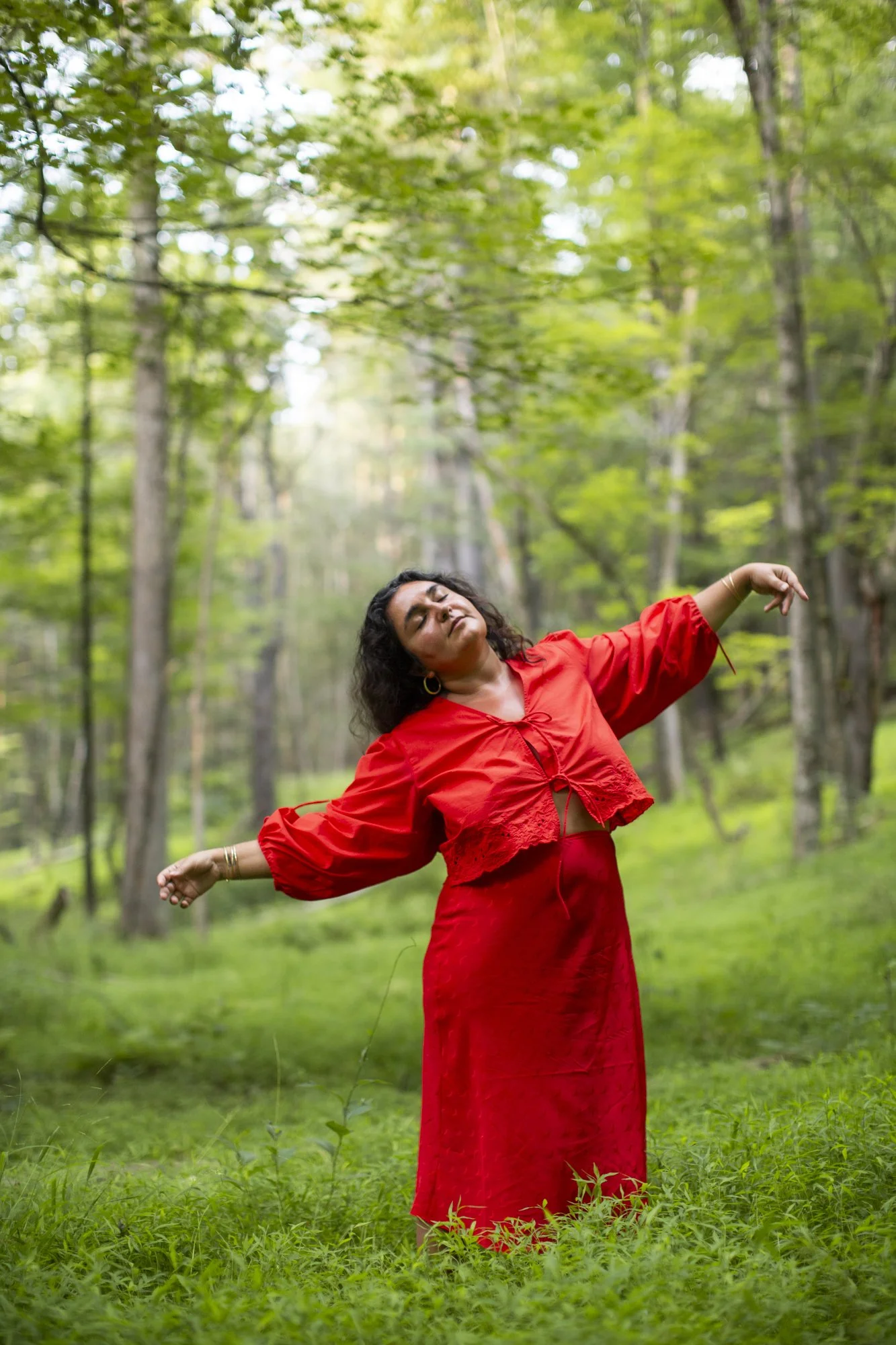
Bridging land, plants, and poetry, Mandana weaves together the wisdom of ecology, community organizing, and the power of storytelling, drawing on two decades of experience as an ethnobotanist, writer, educator, and community herbalist. Whether through her care-work as an herbalist, her advocacy for farmers through the Northeast Farmers of Color Land Trust, or her poetry, the heart-mycelium feeding Mandana's work remains clear: to connect, heal, and protect through the land and the stories that shape it.
-
Curious about what plants, trees, and medicines are growing all around you? In this plant walk, we'll stroll together, exploring locally growing medicinal plants, trees, and shrubs through a first aid lens. In our time together, we will focus on meeting and getting to know local flora that support common first aid ailments including: colds and flu, sprains, tick bites, wounds, and other common everyday health needs. Participants will learn to identify accessible and bioregional plants, while also discussing ethical harvesting practices, plant actions and energetics, and optimal preparations and menstruums for potent medicine making.
Michelle Nikfarjam she/her
-
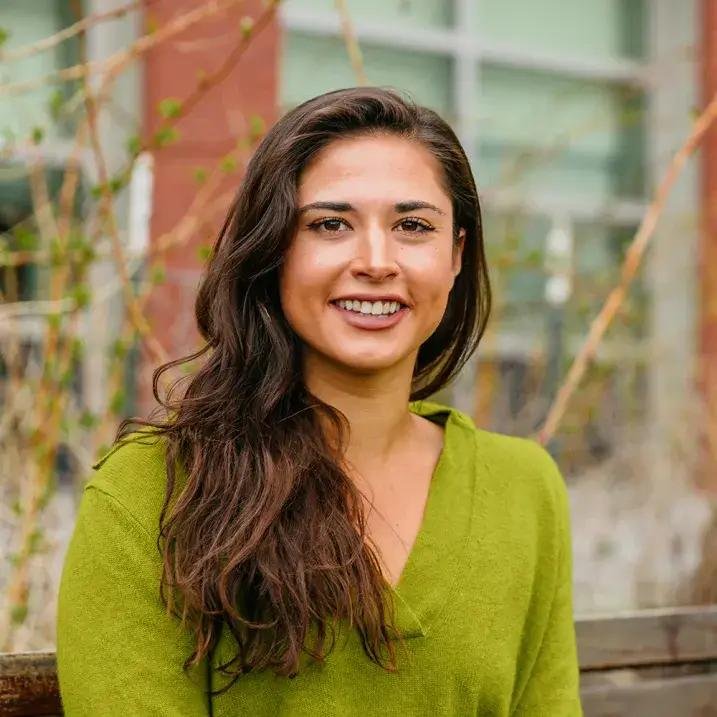
Michelle Nikfarjam is a PhD candidate in Food Systems at the University of Vermont, where she researches agroforestry and agroecological transitions in the Northeast. Her research looks to understand how BIPOC farmers and land stewards adopt perennial and tree-based systems, and what policies, forms of technical assistance, and economic structures can make those transitions more feasible and just. Based between Massachusetts and Vermont, Michelle also serves as a Program Manager at the Pocasset Pokanoket Land Trust, where she supports farmers through conservation planning, grant writing, and resource navigation. Across her research and practice she is committed to supporting community-led land stewardship and food sovereignty efforts that strengthen ecological health and expand equitable access to land and resources.
-
This workshop will cover the main agroforestry practices such as silvopasture, alley cropping, forest farming, buffers, windbreaks. We will situate these practices within a lineage of Indigenous perspective grounded in relational stewardship, reciprocity, and place-based knowledge. We will review species selection basics for the Northeast bioregion- matching trees and shrubs to site conditions, management capacity, production and markets, and farm goals, followed by a facilitated discussion on barriers and pathways to adoption. In the discussion we will introduce common funding and support options (cost-share, grants) while offering a case example of a community food forest, highlighting how agroforestry can reconcile production with relational stewardship of place.
-
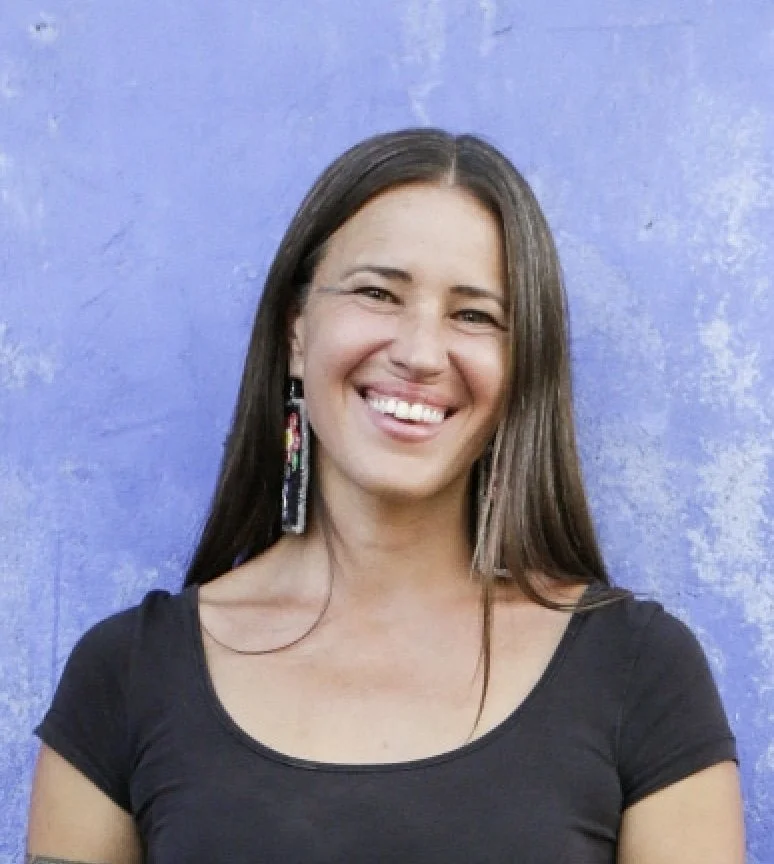
"This nuts-and-bolts session is for farmers who want to use grants to move their business or organization forward, but do not know where to start- or are tired of getting rejected. We will cover how and where to find current grant programs and other potential funding sources for farms in the region, how to match your project to the right funder, and how to write a simple, convincing proposal that clearly tells your farm’s story.
The workshop will also include a practical “Farm Funding Playbook” overview of updates to major federal and state programs. We will then move beyond cost share to explore more creative funding strategies, including local and regional regrants, private foundations, municipal opportunities, community partnerships, and blended approaches that can reduce match barriers.
Participants will leave with concrete tools for submitting stronger applications including clear problem framing, tighter alignment with funder priorities, measurable outcomes, and a narrative-to-budget connection that holds together. I will share practical writing tips, budget basics, and lessons learned from successful farm grants."
PennElys Droz she/her
-
Dr. PennElys Droz, Anishinaabe, Wyandot, and mixed European descendent, is a mother of five, Partner in Rematriation and Governance at Salmon Returns, and culturally based biomimicry design facilitator and consultant. She applies this design approach with a healing justice lens to infrastructure and economic
development, as well as governance and organizational transformation. She has worked in Indigenous-centered engineering and regenerative development for over twenty years, with the vision of the redevelopment of thriving ecologically, culturally and economically sustainable Indigenous Nations and a shared intercultural future. She is a natural builder and lover of all things dirt, moss, lichen, and fungi.
-
In Composting Toilets Science and Construction we will cover the science, ecology, importance, and magic of composting toilets. By the end of the workshop participants should have a grasp of how to build your own composting toilet!
-
In Relational Governance Practice for Building Power we will engage with tools I have gathered from a 25 year background in hands-on Indigenous, community based infrastructure development and community building. These tools apply across cultures to bring communities and people together to build, design, and hold us in good relationship as we offer our contributions to this world.
We have the knowledge, vision, and skill to build the world we know is possible. Often, the challenge we face is rooted in the impacts of colonial culture and white supremacy culture. Our disconnection from each other, and our internal division and pain stands in the way of our collective decision making. In this workshop we will practically collaborate on the creation of structures of accountability, care, and reciprocity that provide a healthy foundation for action.
Robert 'Hood Farmer Rob' Peck he/him
-
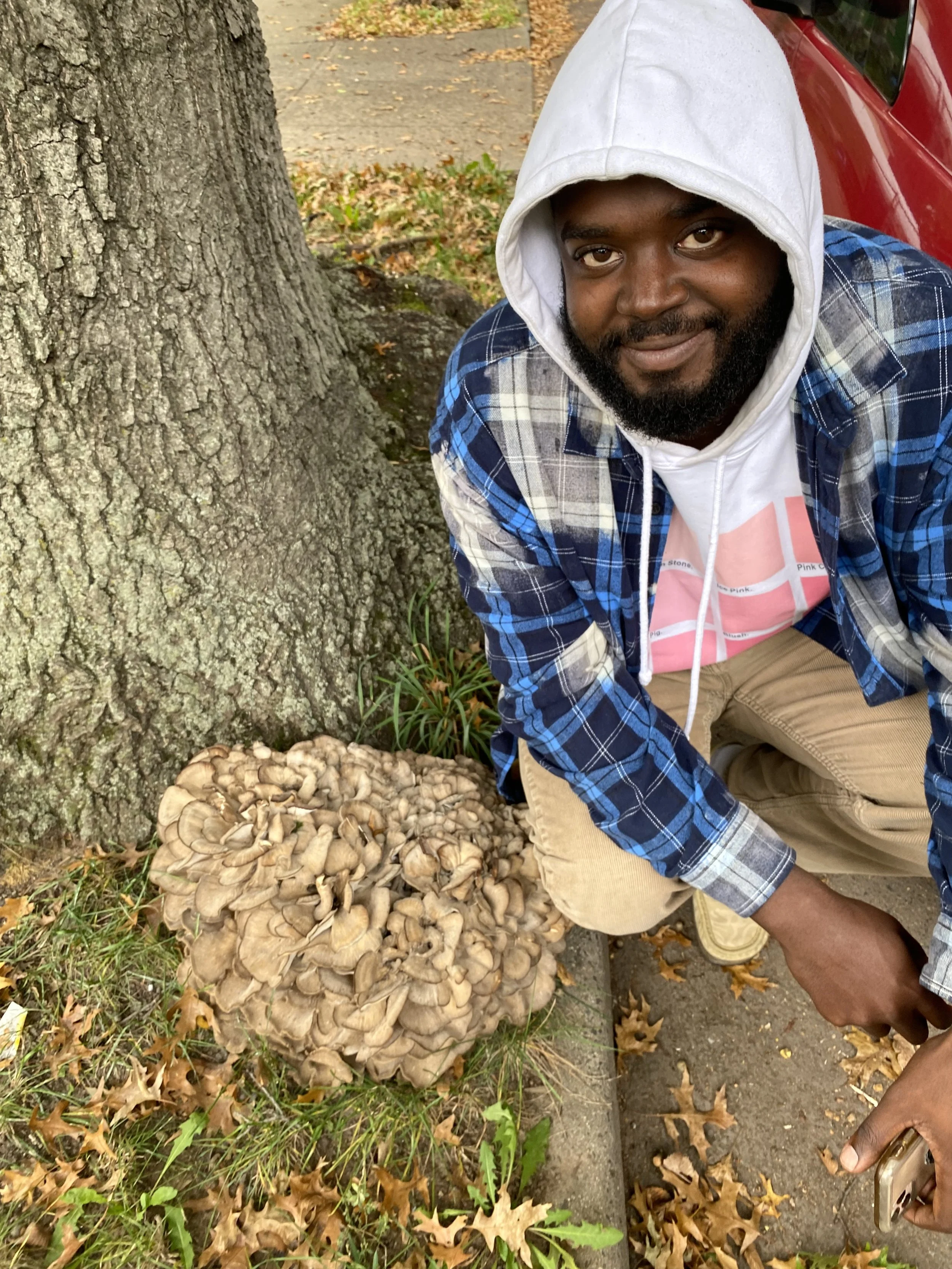
I (Hood Farmer Rob) have been farming for 10 years and about 4-5 years ago through research fell into the world of mycology. After attending youtube university all winter I began cultivating at home & at a community farm the following grow season. From there I then taught a handful of outdoor cultivating workshops, I've also continued educating myself by going to workshops and retreats to fill any gaps and to further equip myself.
-
In this workshop we will learn how to save and expand mushroom genetics in two different mediums; agar plates, and grain bags . Along with basic mycology terms, participants will learn how to make transfers to and from agar petri dishes, this method helps for long term storage of mycelium. We will go over how you can save local genetics found while foraging, and learn how to inoculate grain using agar plates and colonized grain to make grain spawn bags. Equipped with agar plates and grain spawn bags, you'll be ready to more deeply explore the world of mycology for yourself.
Ruben Parrilla he/him
-
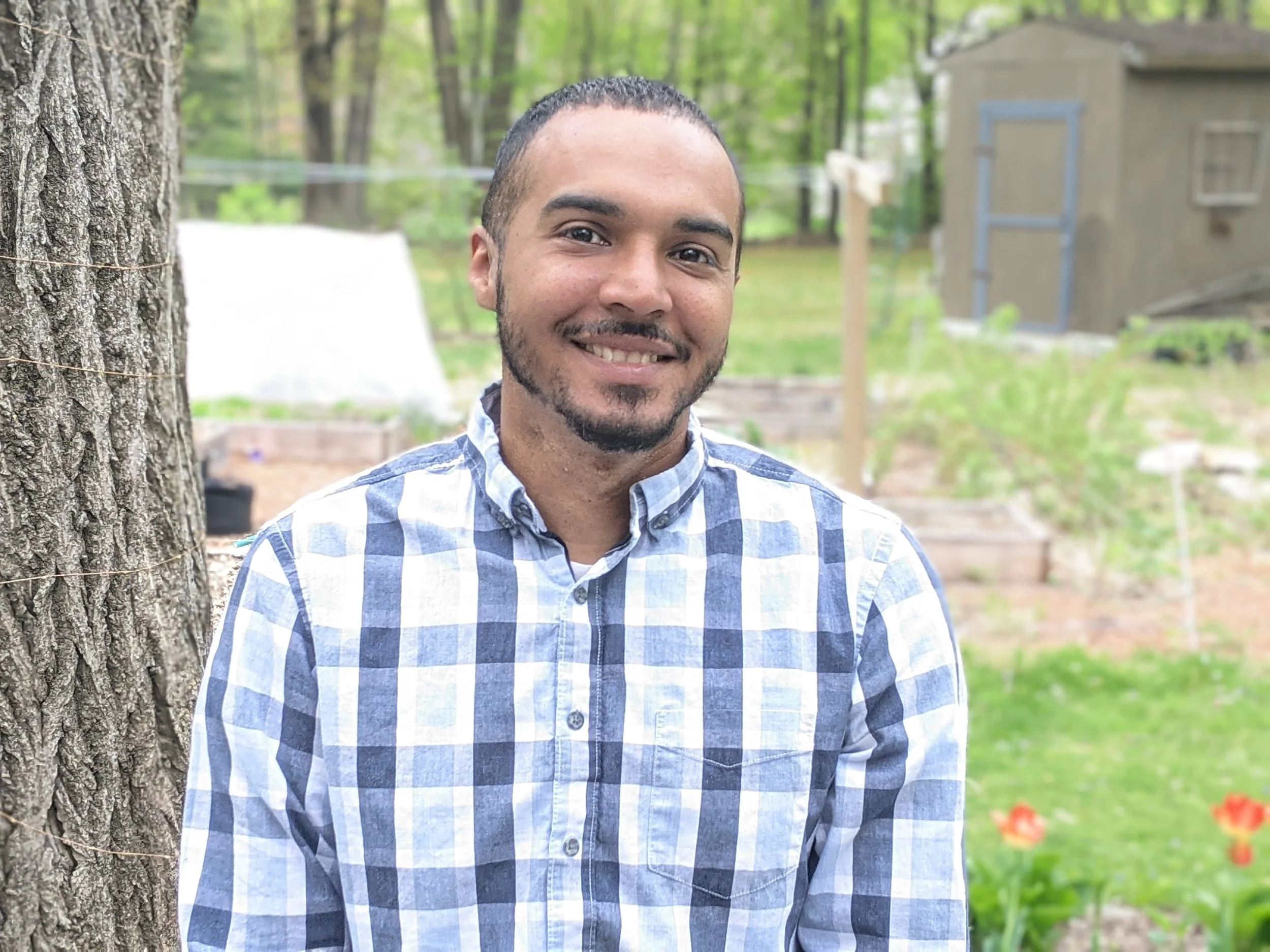
Rubén Parrilla is a soil health educator and land-based practitioner with over 10 years of experience working alongside farmers, gardeners, and community organizations to regenerate soils and build ecological resilience. He is the Founder of Microbe Quest LLC and serves as Education Director and Soil Technical Coordinator for NOFA/Mass. His work centers on agroecological soil biology, low-disturbance land management, and skill-sharing that supports food sovereignty, environmental justice, and community self-determination. Rubén approaches soil care as a collective practice rooted in place, stewardship, and long-term relationship with land.
-
This workshop provides a practical introduction to soil biology as the foundation of regenerative land stewardship. Participants will learn how soil organisms influence nutrient cycling, soil structure, water dynamics, and plant health, and how everyday land management decisions affect these processes. Drawing from farm, orchard, community garden, and urban soil examples, the session emphasizes observation-based decision making and low-disturbance practices that support soil life across diverse landscapes.
-
This hands-on workshop introduces participants to low-cost, accessible soil biostimulants that support soil biology and plant health. Participants will learn how to prepare simple microbial inputs such as lactic acid bacteria and locally sourced microbial ferments, while discussing appropriate use, safety considerations, and application strategies across farms, gardens, orchards, and community land projects. The focus is on practical skill-building using non-proprietary methods that can be adapted to local contexts.
Sienna Viette she/her
-
Sienna strives to create meaningful, hands-on, educational experiences that reconnect people with the land that sustains us. From seed to table she engages in sustainable practices that support food security, ecological resilience, and healthy communities. She emphasizes the importance of accessibility, inclusion, and equity in education, ensuring that agricultural learning opportunities are meaningful and impactful for people of all abilities and backgrounds.
Through this integration of farming, environmental stewardship, and overall quality of life, Sienna challenges others to reimagine their roles as people living in harmony with the Earth, and to take active steps toward building a healthier, more sustainable future.
Sienna has a Bachelors Degree in Psychology and a Masters Degree in Applied Behavior Analysis with a concentration in Autism. She is also a certified yoga teacher and archery instructor. She is currently the Programs Coordinator on the farm.
-
"This nuts-and-bolts session is for farmers who want to use grants to move their business or organization forward, but do not know where to start- or are tired of getting rejected. We will cover how and where to find current grant programs and other potential funding sources for farms in the region, how to match your project to the right funder, and how to write a simple, convincing proposal that clearly tells your farm’s story.
The workshop will also include a practical “Farm Funding Playbook” overview of updates to major federal and state programs. We will then move beyond cost share to explore more creative funding strategies, including local and regional regrants, private foundations, municipal opportunities, community partnerships, and blended approaches that can reduce match barriers.
Participants will leave with concrete tools for submitting stronger applications including clear problem framing, tighter alignment with funder priorities, measurable outcomes, and a narrative-to-budget connection that holds together. I will share practical writing tips, budget basics, and lessons learned from successful farm grants."
Tala Khanmalek | mecca monarch all
-
Tala Khanmalek | mecca monarch is a queer, disabled, Iranian writer, editor, scholar, and sailor based on Ohlone land. They earned a PhD in ethnic studies from UC Berkeley and were formerly a university professor. Currently, they are a full-time artist and activist.
-
What does sailing have to do with land, food, and climate justice? In Sailing for Social Justice we will explore moments in time where water vessels (e.g., canoes, boats, ships) have played a central role in activist movements. We will make connections between navigating waterways and navigating systems of oppression, and finally we will uplift the significance of global BIPOC seafaring traditions for building a livable and sustainable future for all.
This workshop will involve a presentation, small and large group discussion, and reflective writing prompts.
Teresa E. Leslie
-
Dr. Teresa Leslie is currently the Regional Director for Northeast Sustainable Agriculture Research and Education @ the University of Vermont. An anthropologist by training, Dr. Leslie has worked nationally and internationally as a scientist and community engagement specialist in public health and sustainable agriculture.
-
In a a quickly shifting Federal landscape what are the best practices and strategies when thinking about preparing a proposal? In this session we will discuss what this shifting landscape means currently and into the future. Federal funding opportunities remain available and the Northeast Sustainable Agriculture Research and Education Program (NE SARE) remains in operation. NE SARE is a farmer first program that is legislated through Congress and funded by NIFA, USDA. In Navigating the Federal Landscape: The Northeast SARE example, we will discuss the ins and outs of being an organization that is Federally funded, knowing how critical it is that we adhere to both our legislative and administrative priorities. Finally, we will also discuss ways to scope proposals so that we can continue to best serve our communities.
Tomia MacQueen
-
Tomia MacQueen is the owner of Wildflower Farm in Pennington, NJ, a certified organic diverse farm producing culturally meaningful produce, seeds and livestock farm. An educator of over 20 years specializing in Self and Community Sustainability, Seed Preservation for Culturally Meaning crops, Humane Livestock Standards and Food security and sovereignty. Tomia is also the founder of Dance For LIFE (Love, Inspiration, and Empowerment) in 2012, Gardening for LIFE and the Healing Waters Land Access Project which dedicates land to beginning farmer training and incubation.
-
From pets to wildlife and everything in between, Animals have a wonderful way of bringing a farm fully together. The Care and Keeping of Small Livestock will dive into the myriad of magical ways that animals can have a positive effect on your farm. Specifically we will cover how to select the right animals to incorporate into your homestead, or farm, for partnership, sustenance and/or support. We will get into the basic care of chickens, ducks, turkeys, geese and sheep, while spending more in depth time analyzing the care and keeping of one to two of these animals.
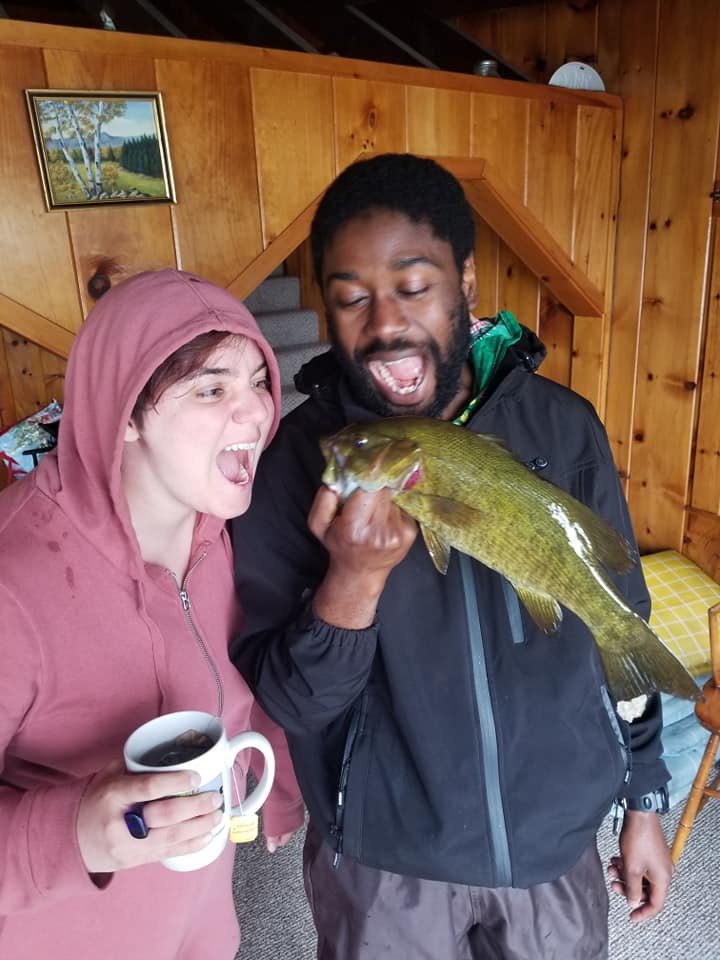
Winston Antoine he/him
-
Tony is a passionate hunter, fisherman, and gardener. He grew up in Baltimore, Maryland spending much of his childhood fishing and crabbing along the waters of the Chesapeake Bay. He hopes to continue demystifying the outroors and empowering folks of similar background to become more food independent.
-
In You Caught a Fish! Now what? we will get some hands-on experience practicing multiple ways to process a fish.
We'll chat about why you might want to prepare a fish one way, over another, and we will engage with ways to honor the life of the fish by using the fish in its entirety.
-
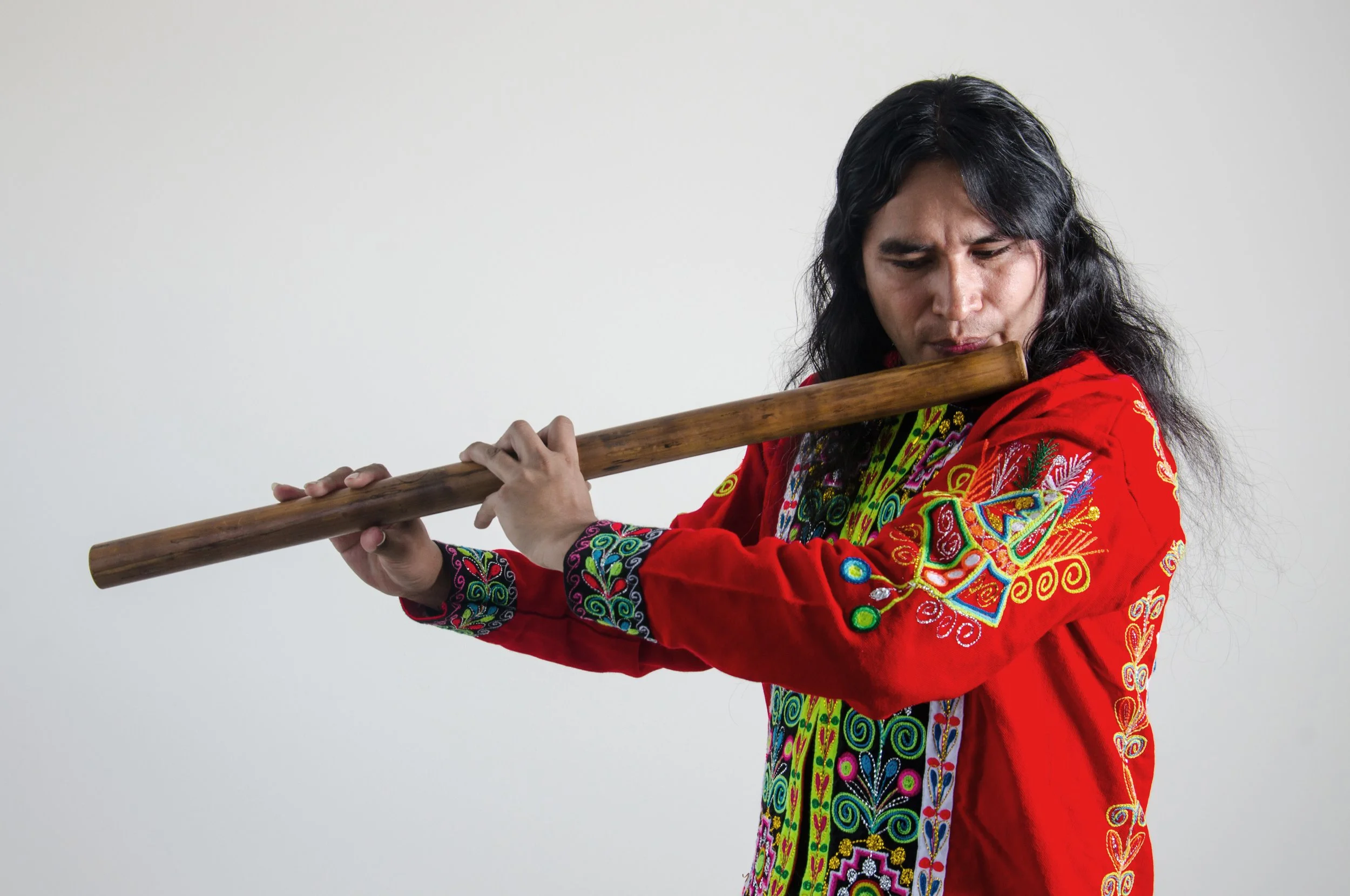
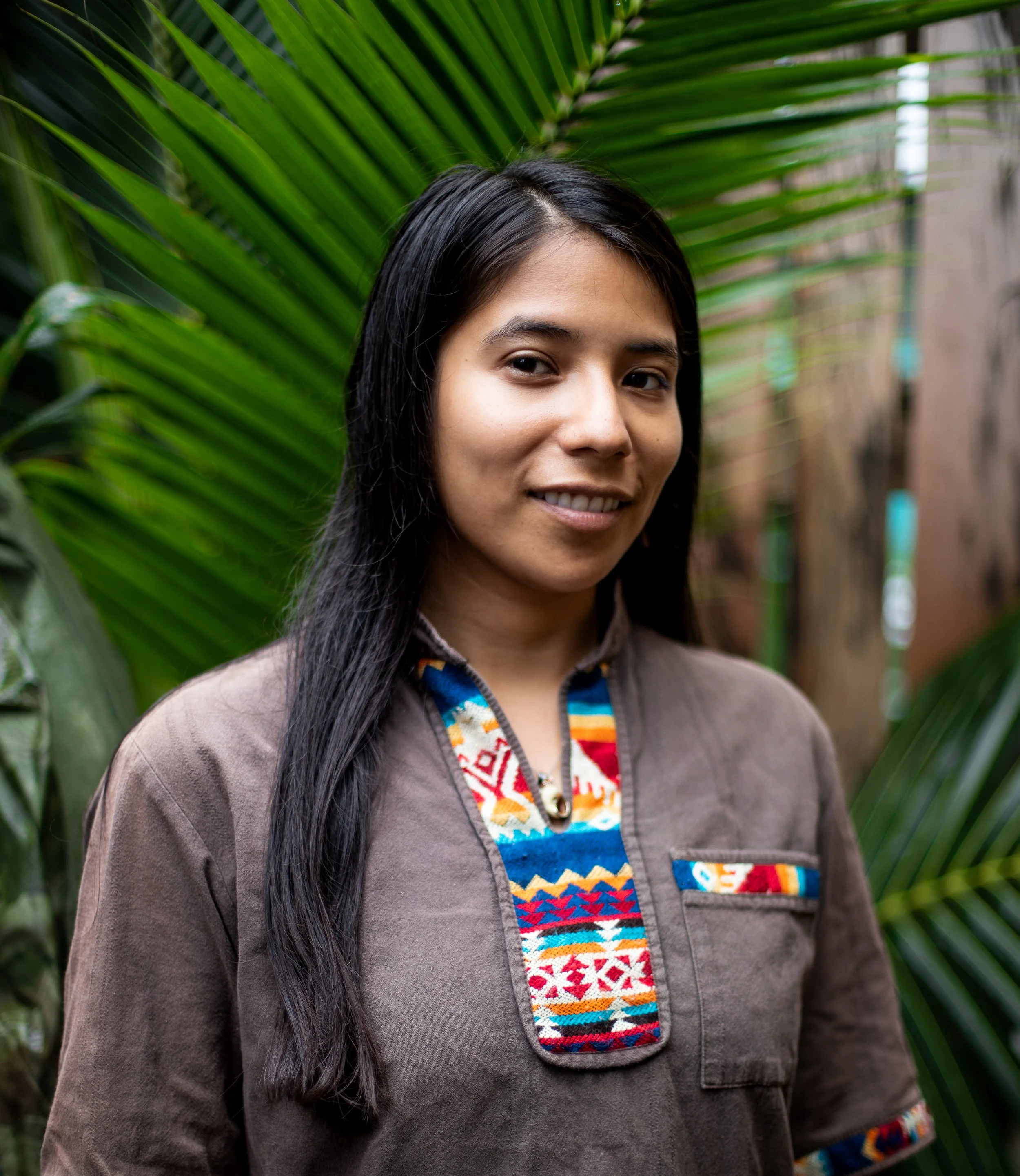
Yura Sapi and Amado Espinoza are Indigenous-rooted artists and educators whose work centers Andean and Quichua/Kichwa musical traditions as living practices of land relationship, ceremony, and collective care. Yura Sapi is the founder of LiberArte, a nonprofit nurturing artists and visionaries co-creating joyful and abundant futures in harmony with each other and Mother Earth. Amado Espinoza is, LiberArte's artist-in-residence visiting from Bolivia. He is a multi-instrumentalist, composer, and instrument builder rooted in the spiritual traditions of the Andes. Together, they facilitate participatory workshops that treat music as an ancestral technology for community cohesion, ecological awareness, and intergenerational knowledge exchange. Their collaborative practice invites participants to experience sound as a pathway to remembrance, resilience, and joy.
-
We invite participants into the living wind-instrument traditions of the Andes, where music serves as a technology of land relationship, ceremony, and collective healing. Through storytelling and participatory song and sound-making with Jula Julas and Sicuri flutes, participants explore Indigenous Andean approaches to breath, interdependence, and ecological connection. Participants learn melodies traditionally used in planting, harvest, communal work, and rites of passage, experiencing how interlocking rhythms encode relationships to land, seasons, and community. No musical experience is required.
Yura Sapi all
Amado Espinoza he/him